

Sustainably Wild Harvested Chaga Mushroom Tea
Immune Support* · Glowing Skin · Spiritual Uplifter
- Regular price
-
$30.00 - Regular price
-
- Sale price
-
$30.00
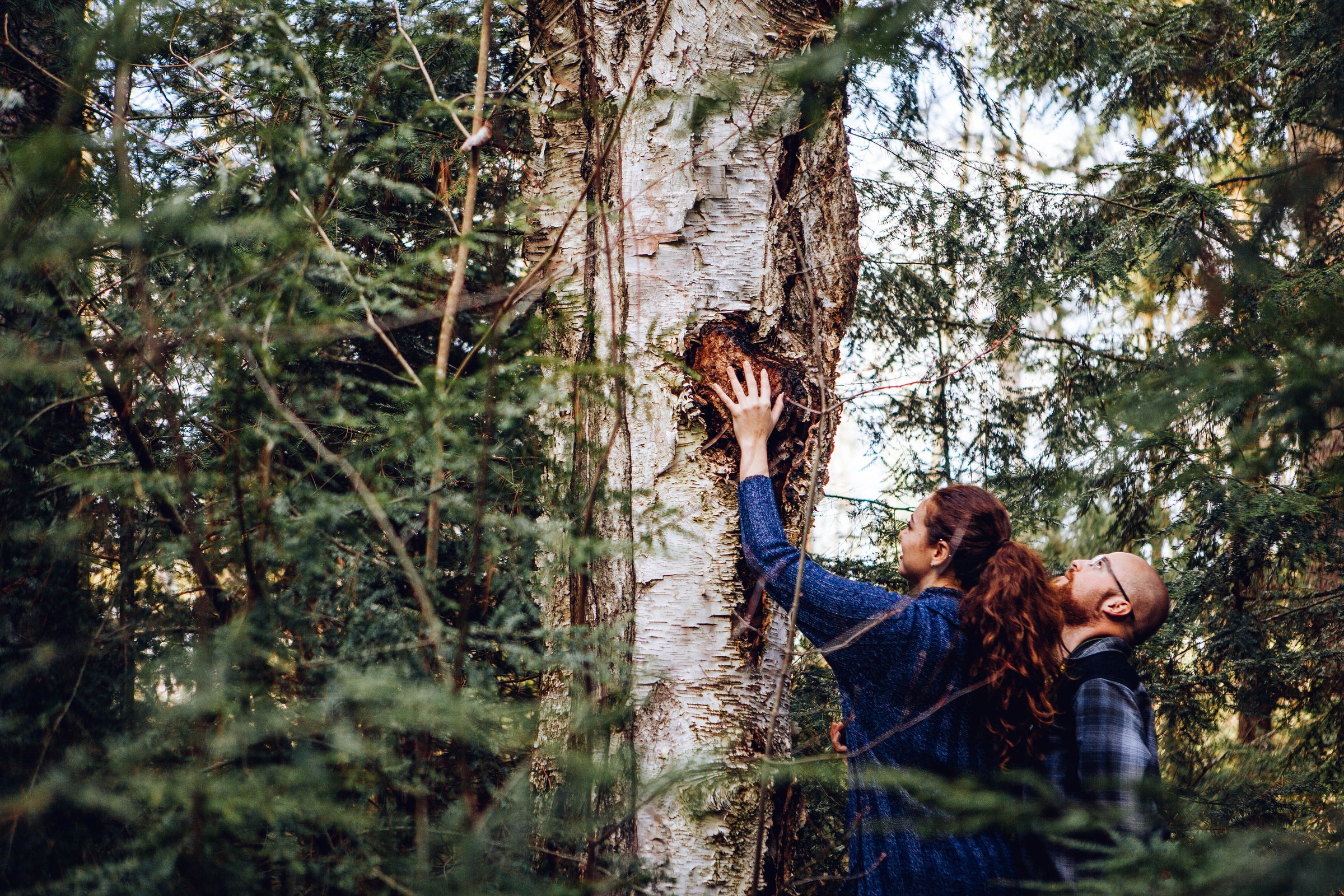
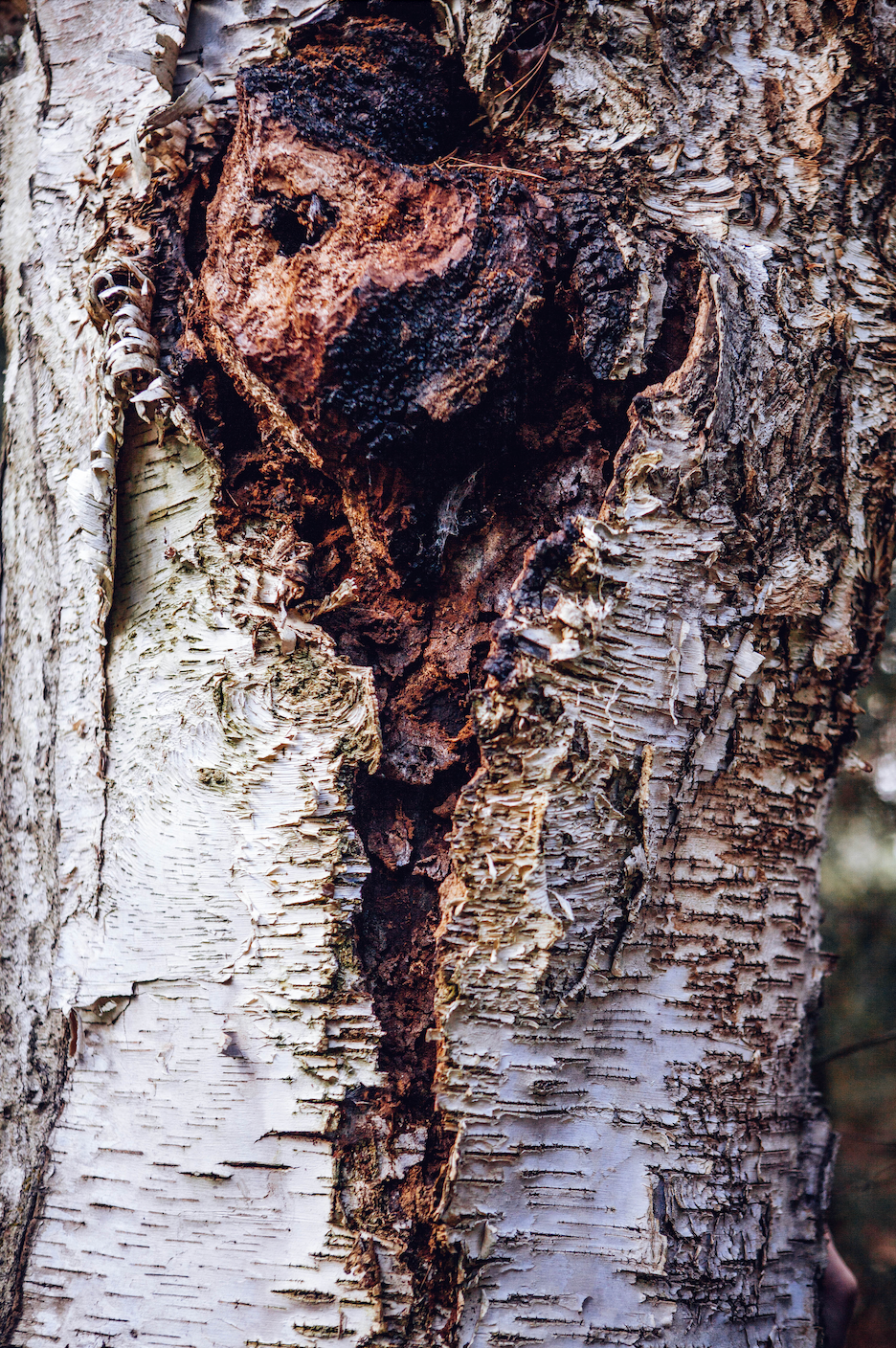
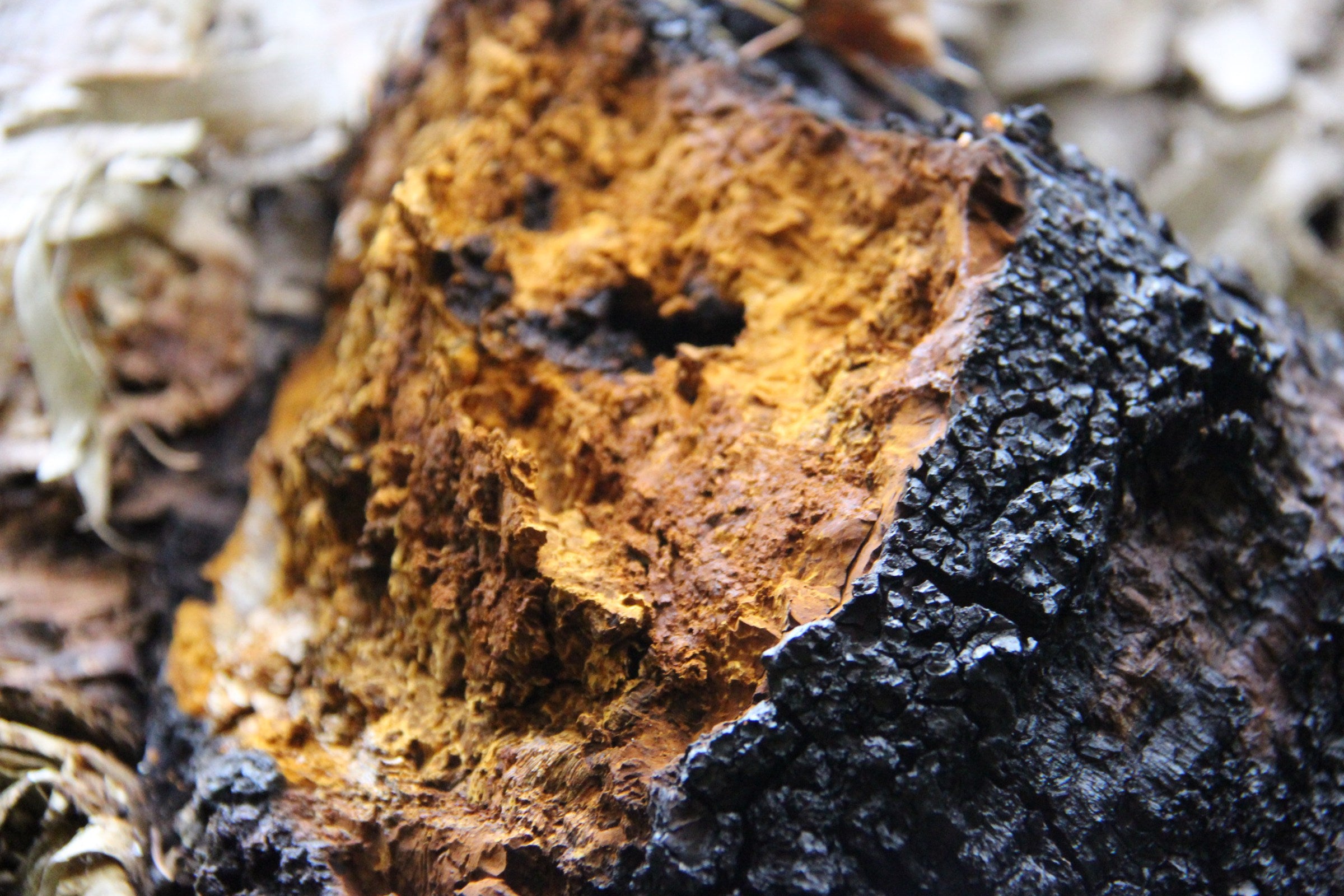
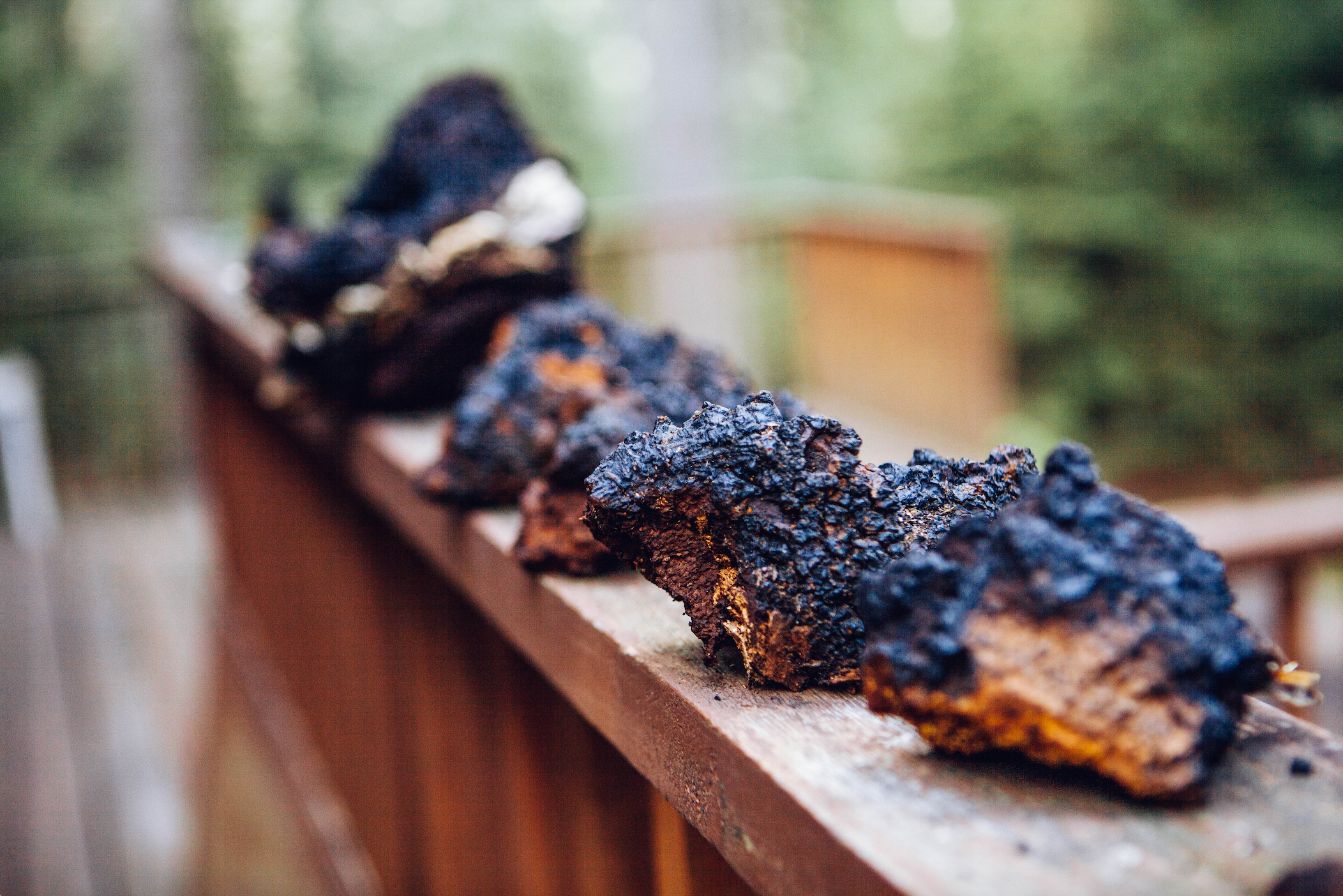
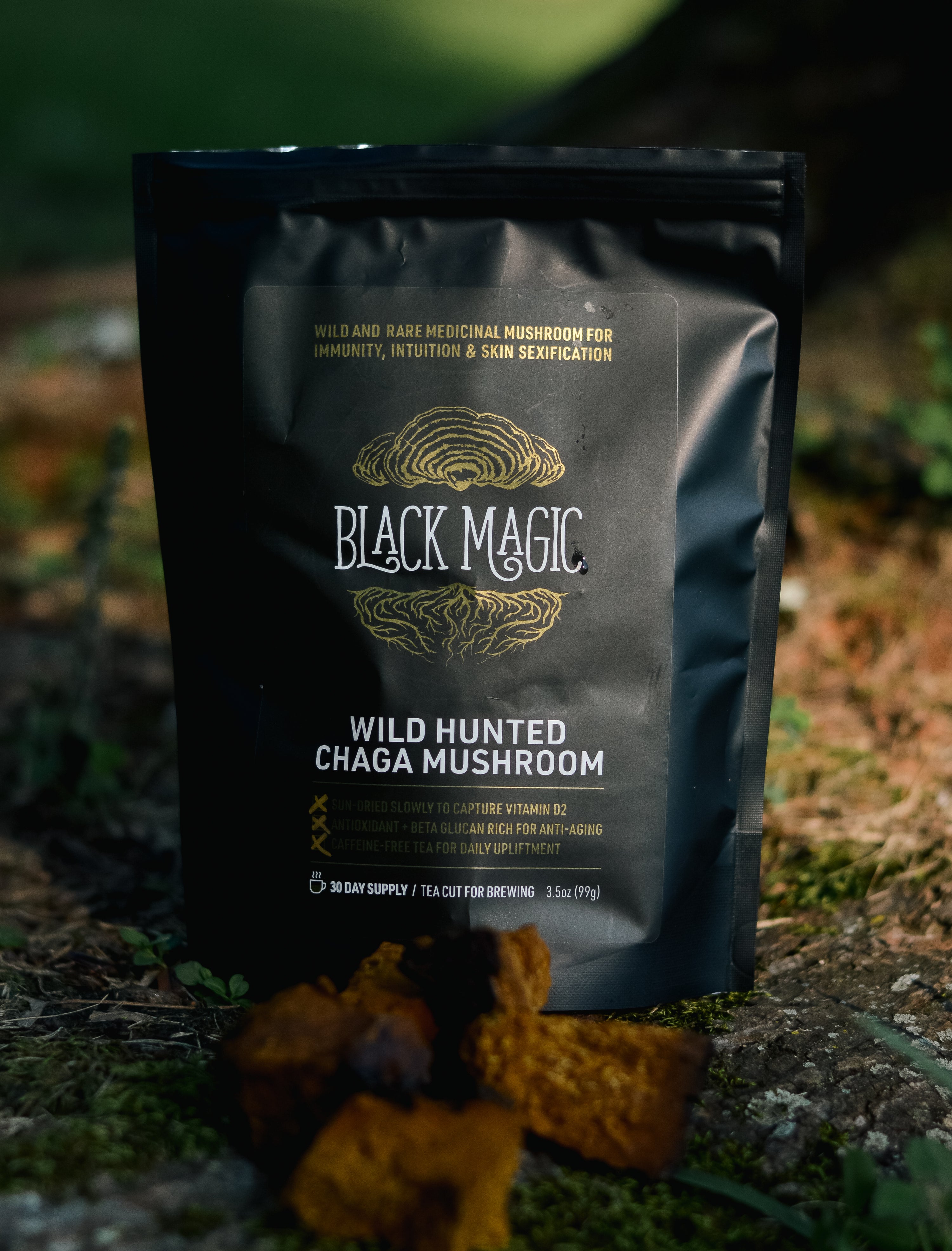
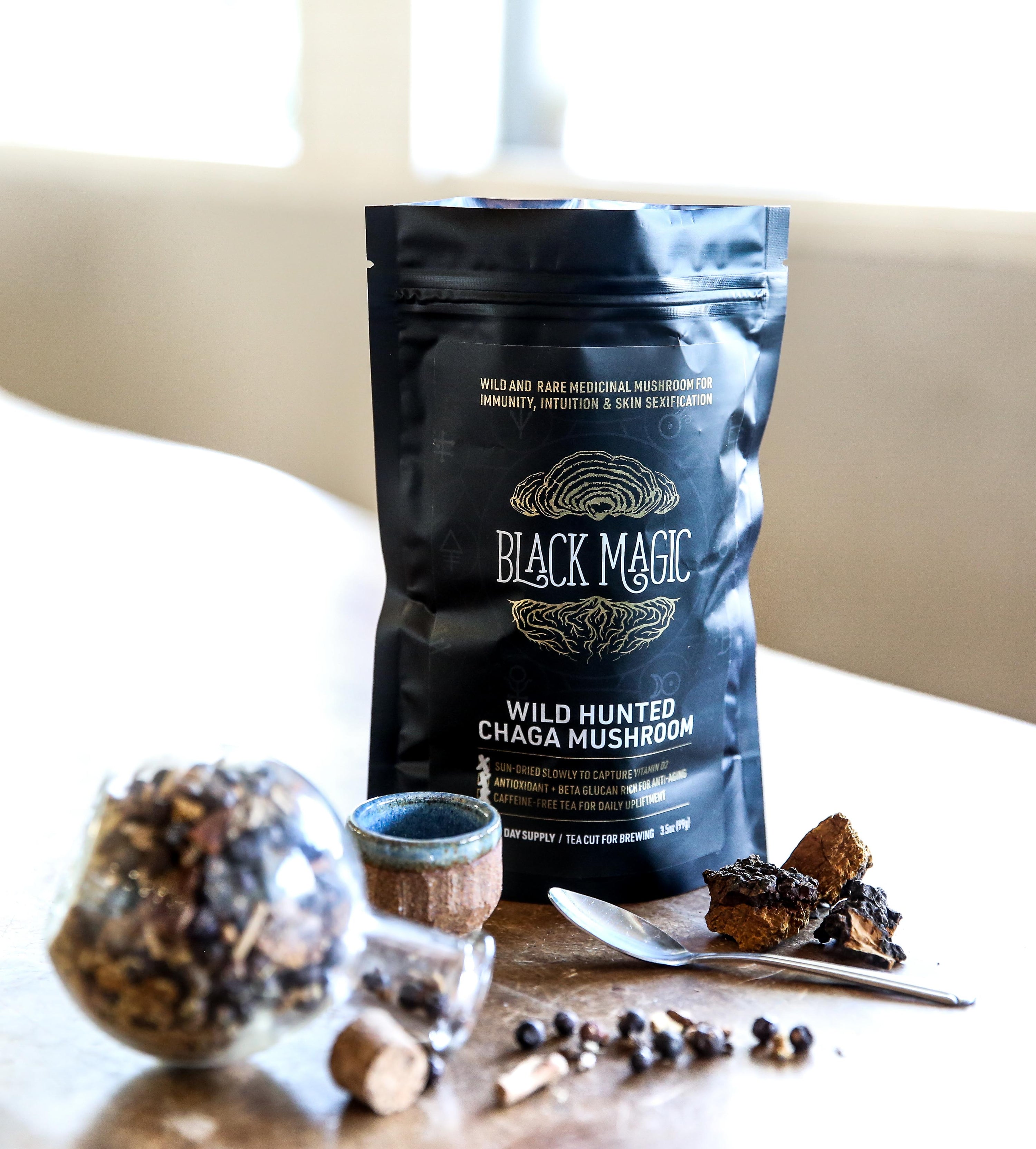
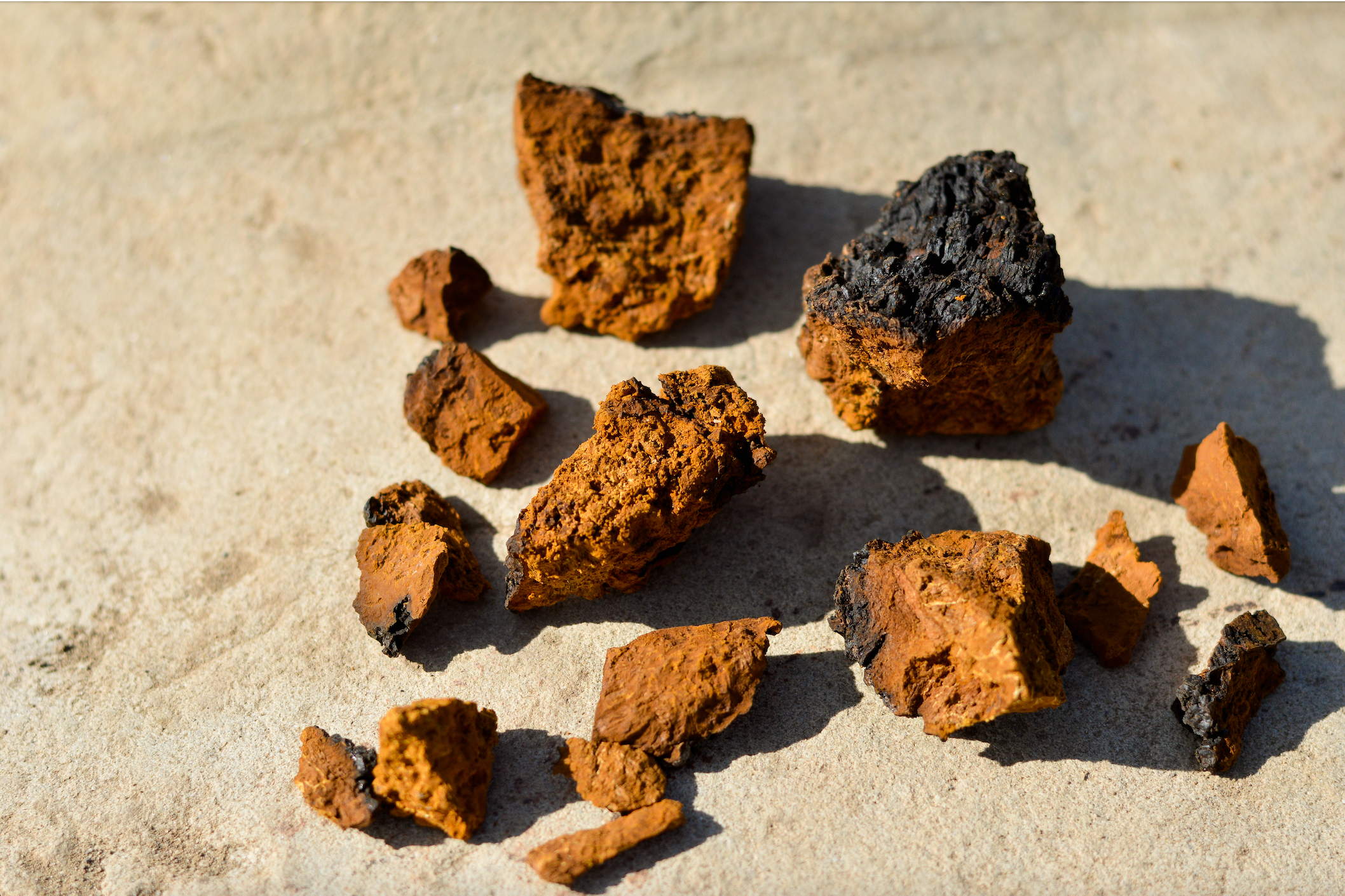
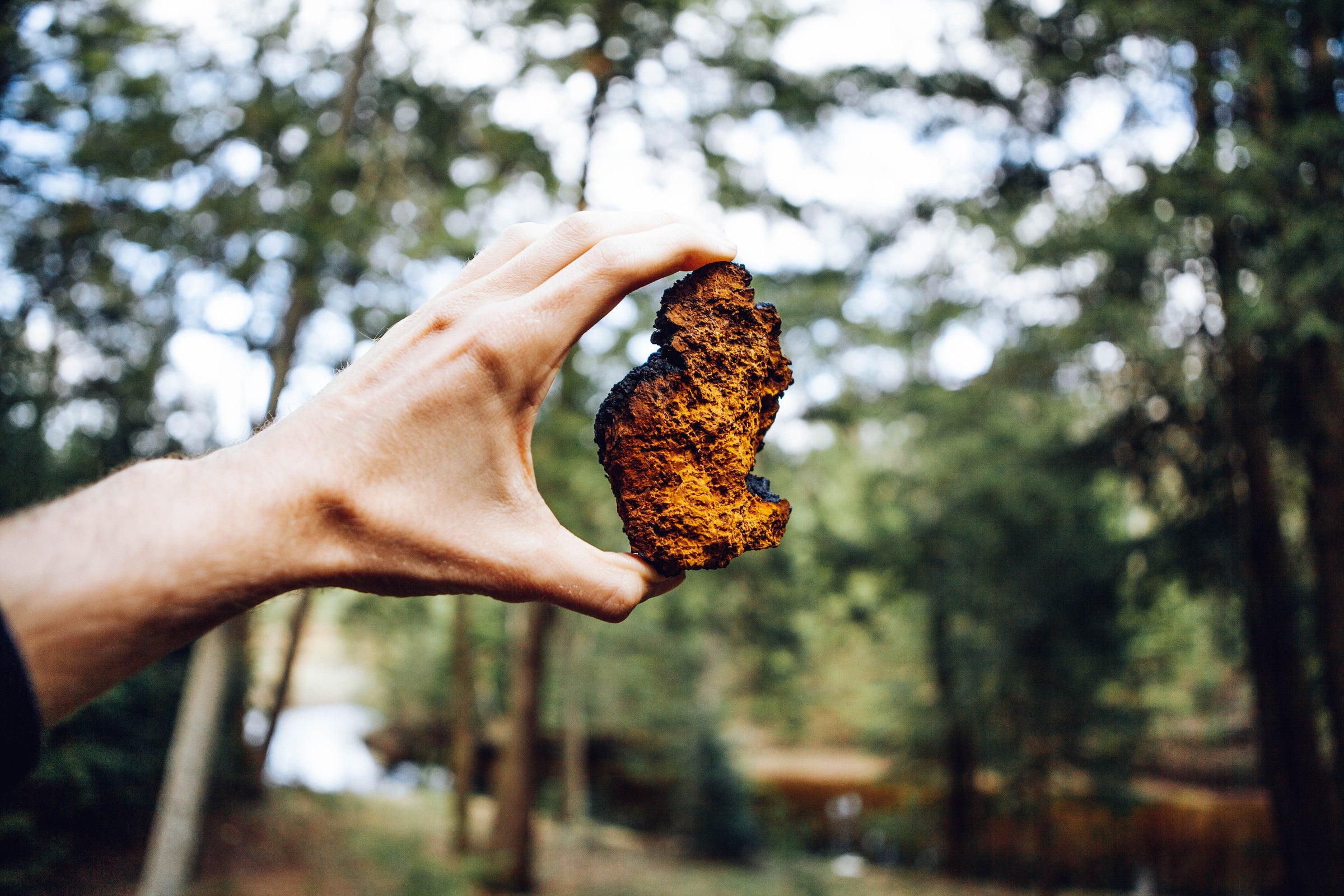
Wild chaga mushroom, sustainably hand-harvested by the founder Shane Milson and his 82 year old Grandpa in small forages from living birch in the forests of Ontario, Canada. Harvested at peak maturity of twenty-plus years and then slowly sun-dried to capture Vitamin D2. Broken down into small sized pieces this is nature's "Black Gold", ready to enrich your immune system and sexify your skin.
This is the original chaga ritual, brewed since the third millennium BC for daily immune support, mineral-fed skin that glows from within, and a caffeine-free lift for body and spirit. Dark and earthy, with notes of coffee, birch, and vanilla — reminiscent of a cozy campfire by the lake. And each handful re-brews up to seven times: one bag, a month and more of medicinal tea.
Couldn't load pickup availability
-
Small batch · only 7 remain
SUN-DRIED SLOWLY FOR VITAMIN D2
Makes 30 Cups of Dark Rich Chaga Brew
Sustainably WILD-HARVESTED AT 20+ YEARS
The Taste
Dark coffee, birch, and vanilla — a campfire beside a still lake. Brewed long and slow, it pours a rich amber and drinks like the forest made you a cup itself: straight as tea, as a caffeine-free coffee base, or brewed into soups and broths.
Immune Support
For centuries across Siberia and the northern forests, chaga mushroom was brewed not just as medicine for the sick, but tea for the well, taken through unforgiving harsh winters to retain immunity. This is that same tea, whole and un-rushed: dense in beta-glucans, triterpenes, polysaccharides, and rare birch-born compounds like betulinic acid and superoxide dismutase — daily immune support for the days that ask more of you.
GLOWING SKIN
Wild chaga is a treasure trove of minerals which slow brewing draws out; copper, zinc, potassium, magnesium, and melanin, the dark antioxidant pigment chaga carries in rare abundance, supporting elasticity, hydration, and glow. This is one of nature's best beauty formulas, one that you can brew.
SPIRITUAL UPLIFT
Shamans called chaga "food for the third eye" or "diamond of the forest" — taken for deep sleep, vivid dreams, and clear intuition. Caffeine-free by nature, it lifts without wiring you: a morning cup for presence, or an evening cup as the night's last ritual. Three thousand years of tea culture agrees on one thing — some brews are for the body, but this one is also for the spirit.




How to Brew Chaga Tea
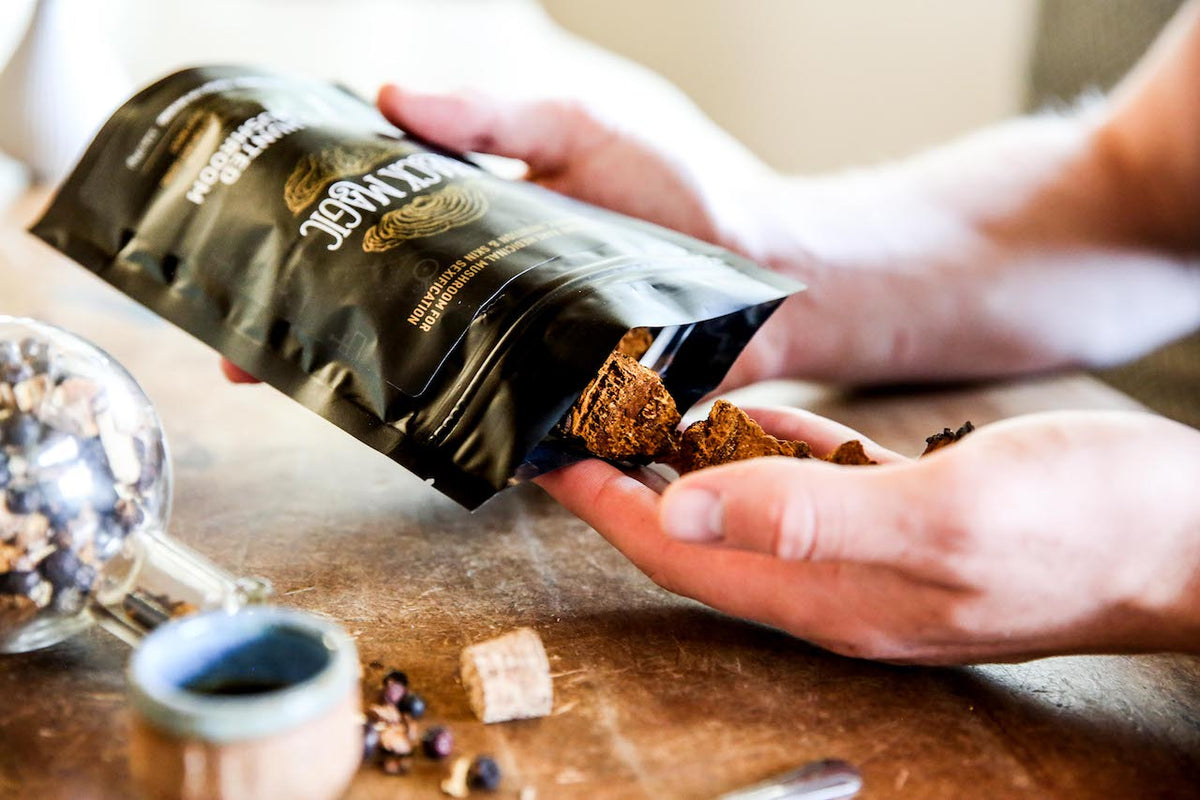
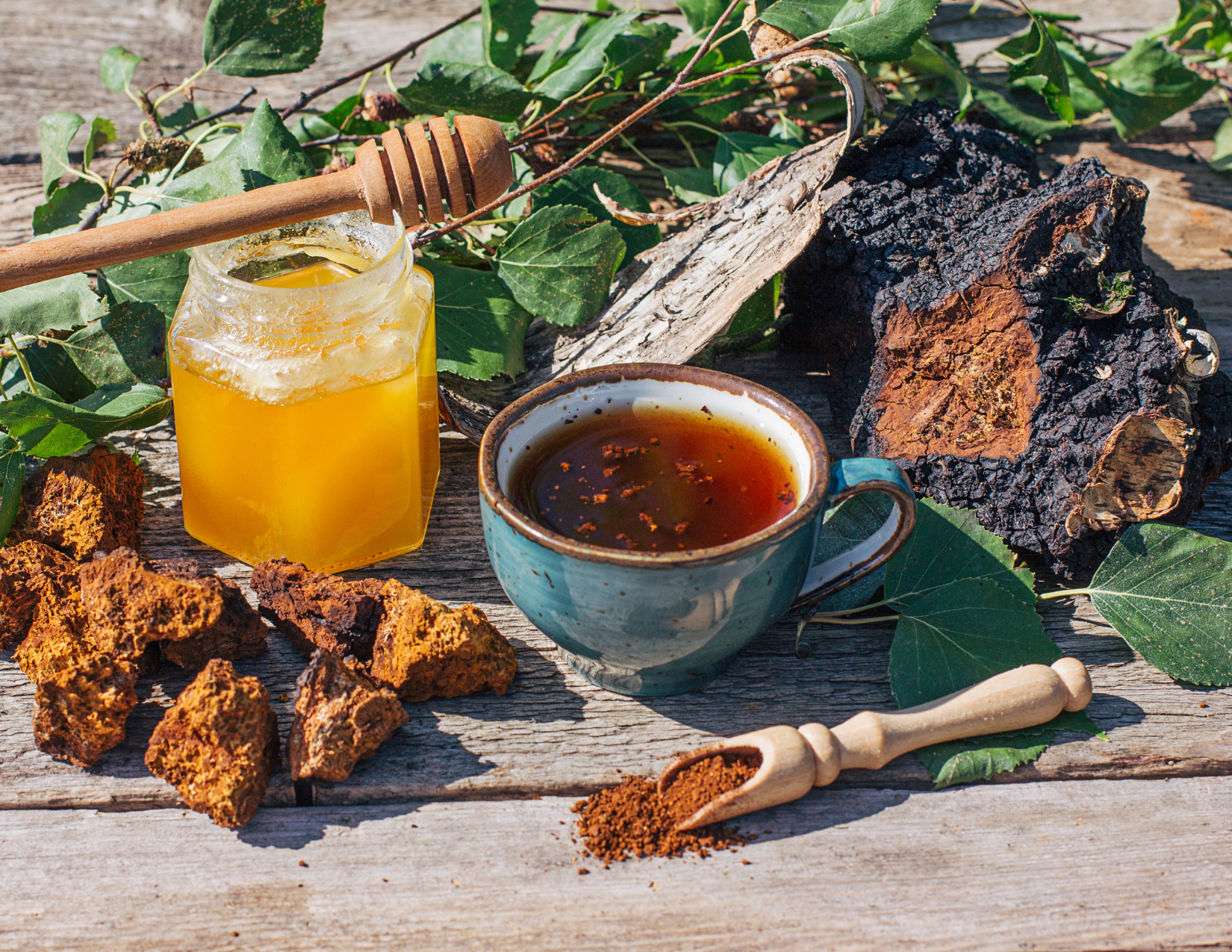
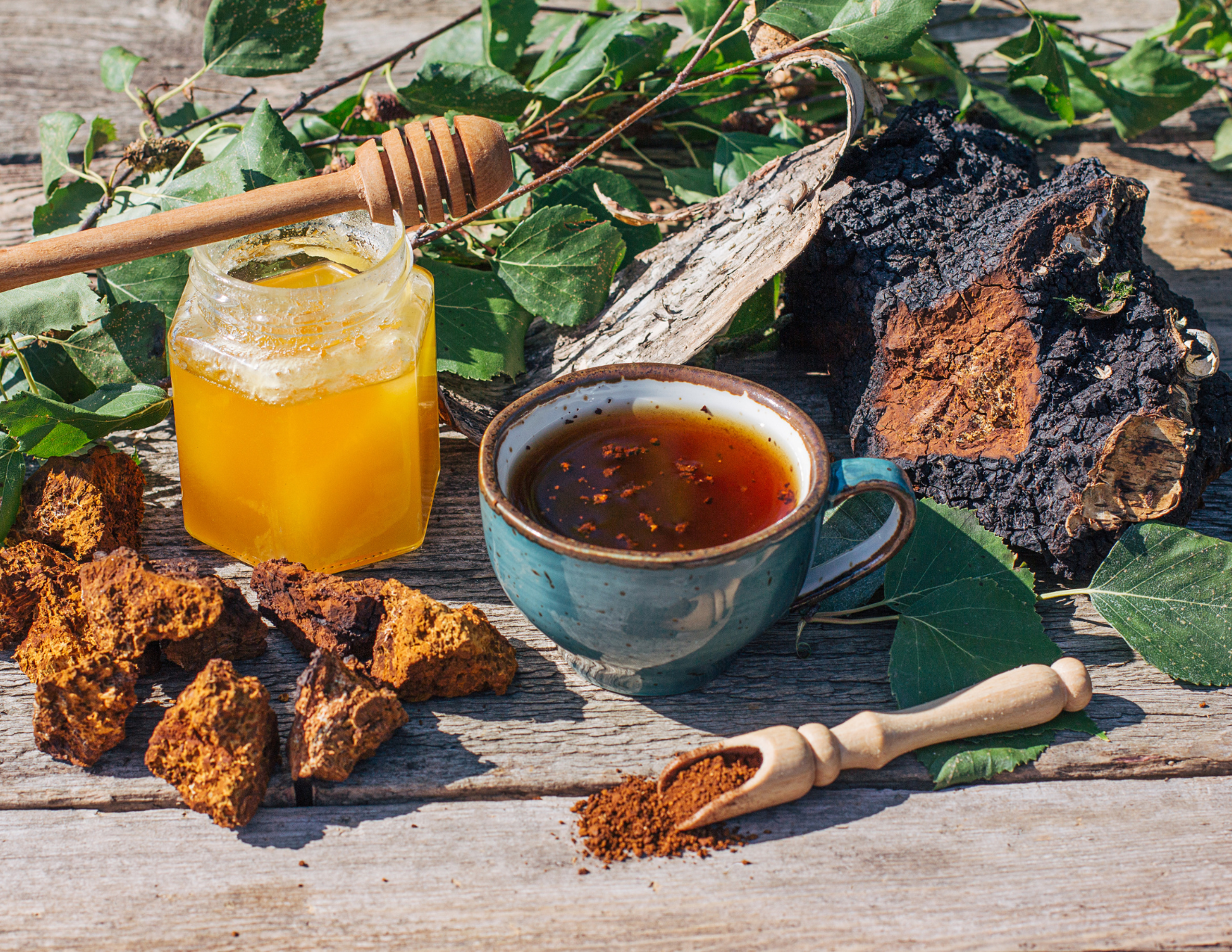
Add half the bag of Black Magic Wild Chaga Tea pieces to a pot, kettle, or slow cooker and cover with fresh spring water. Bring to medium-high and let it brew — one hour minimum, eight if you can wait. The longer it steeps, the more the chaga gives.
When the water turns a rich, dark amber, it's ready. Pour a cup, and keep the pot going — the brew works as tea, coffee base, or soup stock.
One or two cups daily. Morning as an earthy coffee replacement; evening as the night's last cup.
Between Chaga Brews
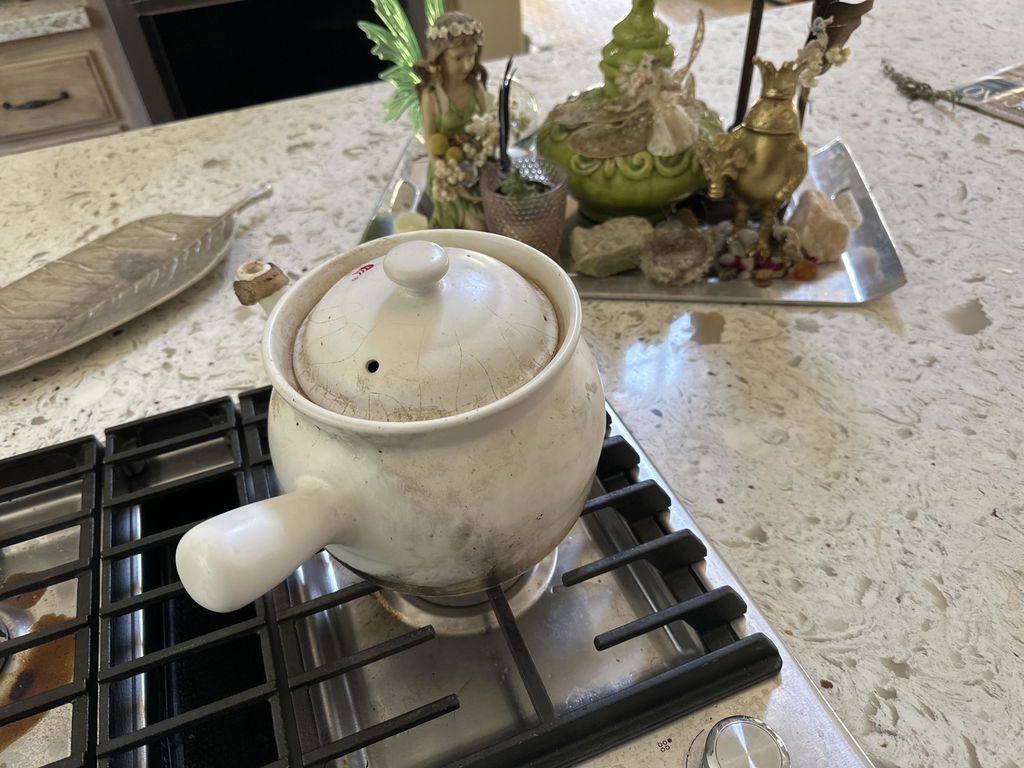
After each cup, top the chaga pot up with fresh spring water and set the lid back on. No fridge needed — the pot lives on your stove, as long as you brew it every few days.
Re-brew the same pieces until the water no longer turns dark — two to three weeks of daily pots. When the color's gone, the water-soluble compounds are spent, but the chaga isn't finished: drop the pieces into a good artisan spirit — whiskey, scotch, vodka — and let it sit six weeks. The alcohol pulls what the water couldn't. You've just made your first tincture; ours took years to perfect →
Caffeine-free energy
Black Gold: Chaga is Nature's Original Coffee Alternative
Wildcrafted chaga mushroom is the best coffee alternative on earth, after-all, the Finns would know...
During World War 2, coffee was one of the casualties of war and hard to come by due to trade routes being blocked. In Finland, where chaga had already risen in popularity as a remedy to treat many ailments, it began to take on a new function: a coffee substitute.
This says a lot, considering Finland has the highest per capita consumption of coffee in the world. Chaga was able to replace coffee with its energizing properties providing a cognitive and mental boost.
Chaga mushroom brewed tea flavor evens resembles coffee, with tasting notes of dark coffee, birch and vanilla, creating a taste reminiscent of roasting marshmallow's on a campfire beside a pristine lake in the forest.
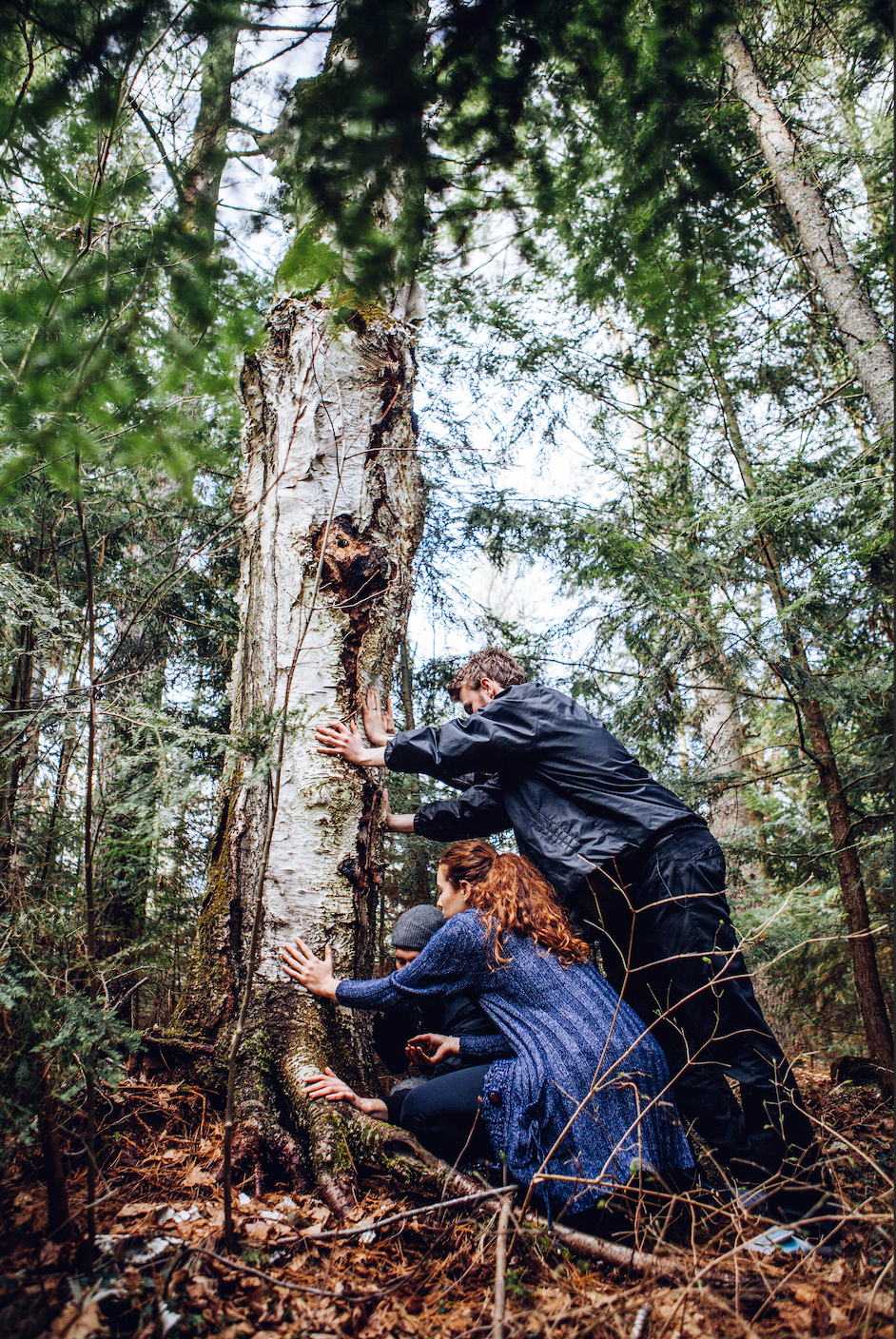
Black Magic Chaga is Regenerative
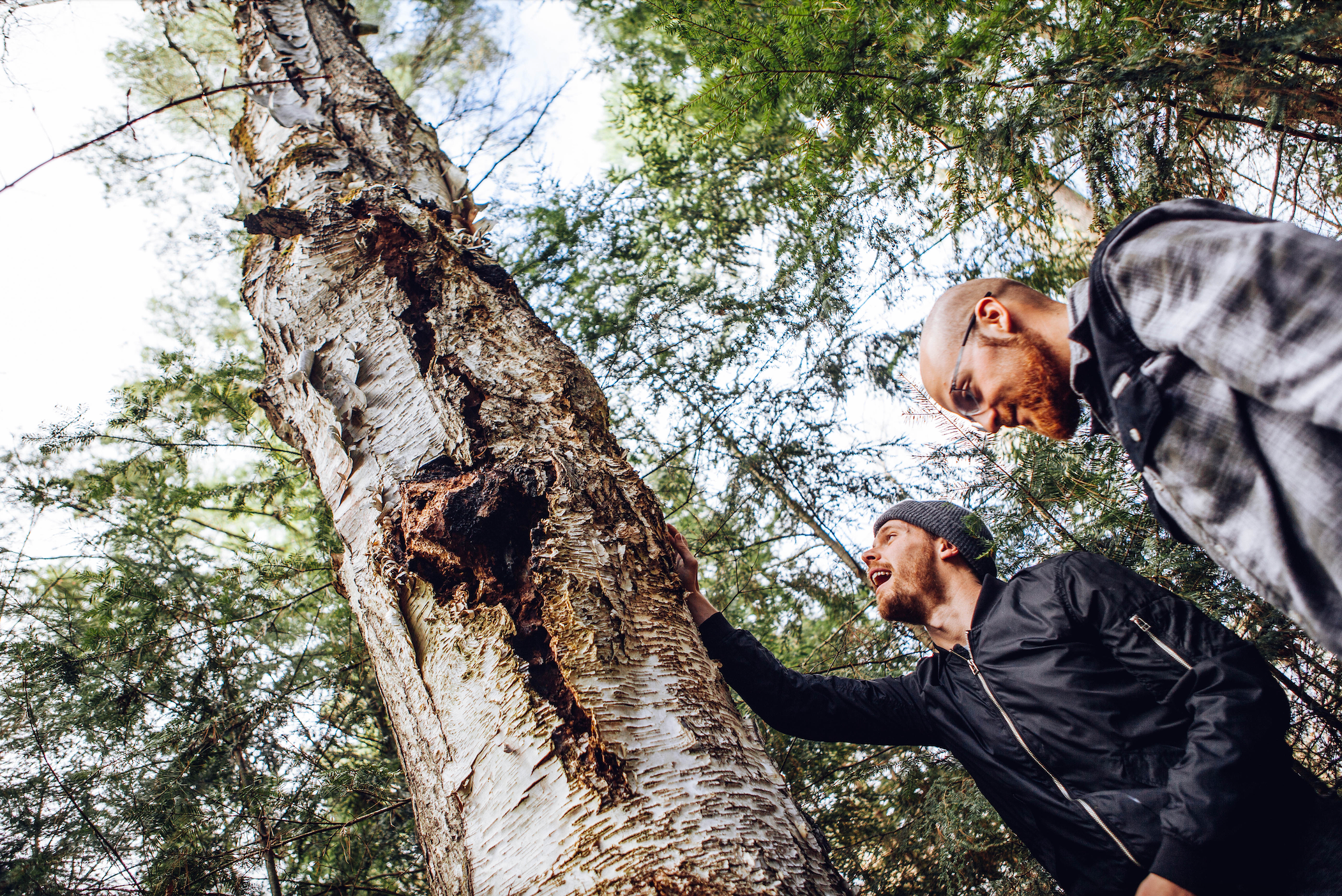
Our chaga mushroom is hand-harvested sustainably from live birch trees in Ontario, Canada and the Adirondack Mountains of Upstate NY at its peak maturity of 20+ years - allowing it to collect record high levels of nutrients, minerals and antioxidants.
- Harvesting mature chaga only (20+ years old), leaving plenty for the tree to be sustained & nourished.
- Geotagged locations to stay present with growth patterns to keep this denizen of the forest proliferating.
- Blessing the tree pre-harvest, speaking words of gratitude for the forest providing such a rare and divine treasure. Respect the magic.
Indulgence in Black Magic supports responsible mushroom foraging & education. Thank you for helping us take care of the forest.
Customers praised this wild-harvested chaga tea for its "excellent" taste, mental clarity, and energy boost. Many reported improved skin, focus, and sleep quality. The reusable chunks are economical and versatile. Some noted storage challenges (mold if not refrigerated) and occasional slow shipping. Overall, shoppers loved the quality and benefits.
- The clarity, focus and peace that comes from this product is crazy
- My skin is radiant, my hair feels healthier and the improvement in my focus has been welcomed
- Helps with my energy, focus, and mental clarity
I make my tea in my Instant Pot, medium high temps. I also break down the nuggets each time I'm making another batch, and later on in the process in crease the time it cooks. This makes the package last way longer!
I love adding it to the water I use to make my coffee in the mornings. I also put some in my kitty's food. She is on a raw food diet, and gets her liquid from the chaga tea mixed with water and mixed with her raw food.
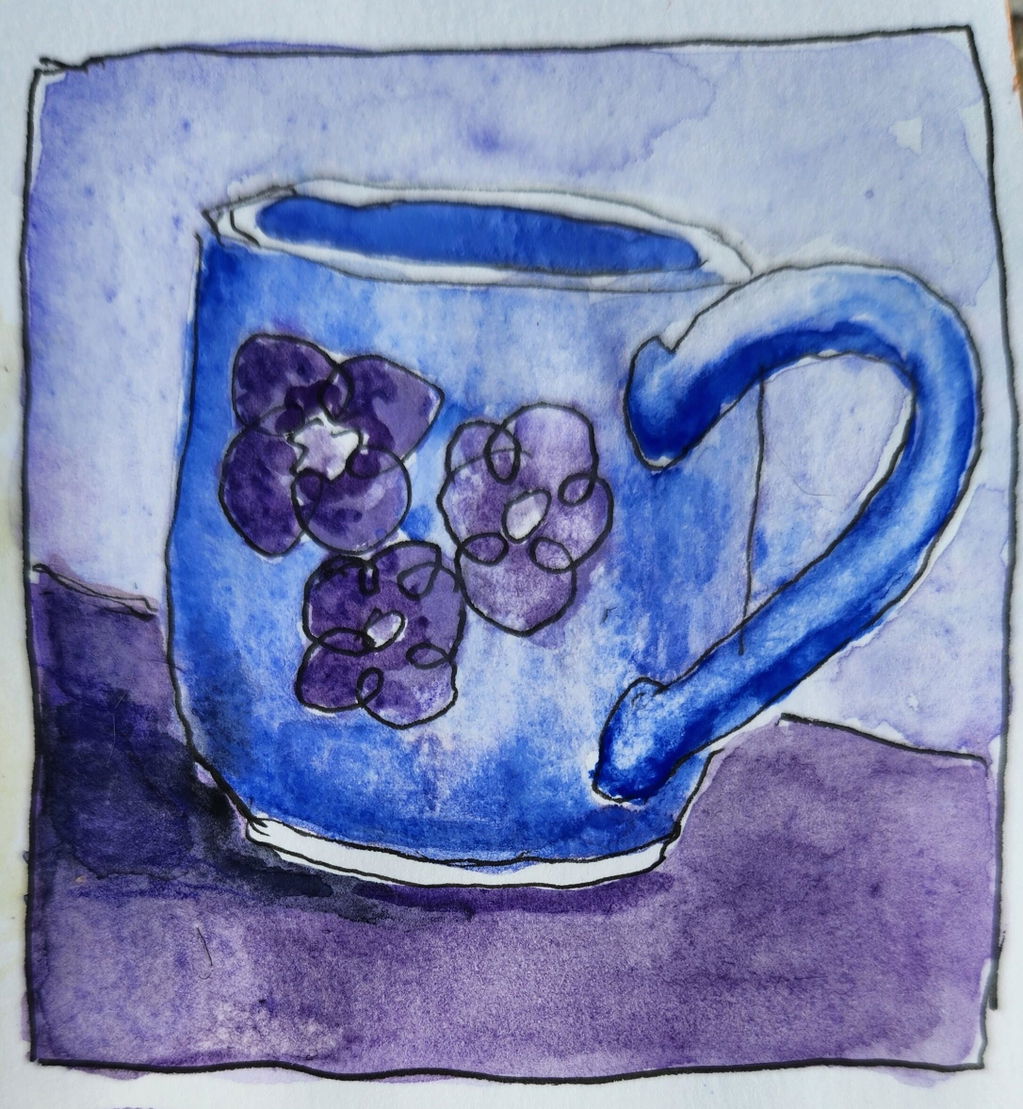
Hey Shannon, thanks for sharing your process. Never tried making the chaga tea in an instant pot! Good idea. And love to hear that its lasting you so long. The longer the brewing the better.
Many blessings to you and your raw food kitty both enjoying the magic of the forest. PS> LOVE the photo haha.
its amazing hot or cold especially with maple syrup. I love the raw chaga and my only concern is weather there is such a thing as too much chaga in one day
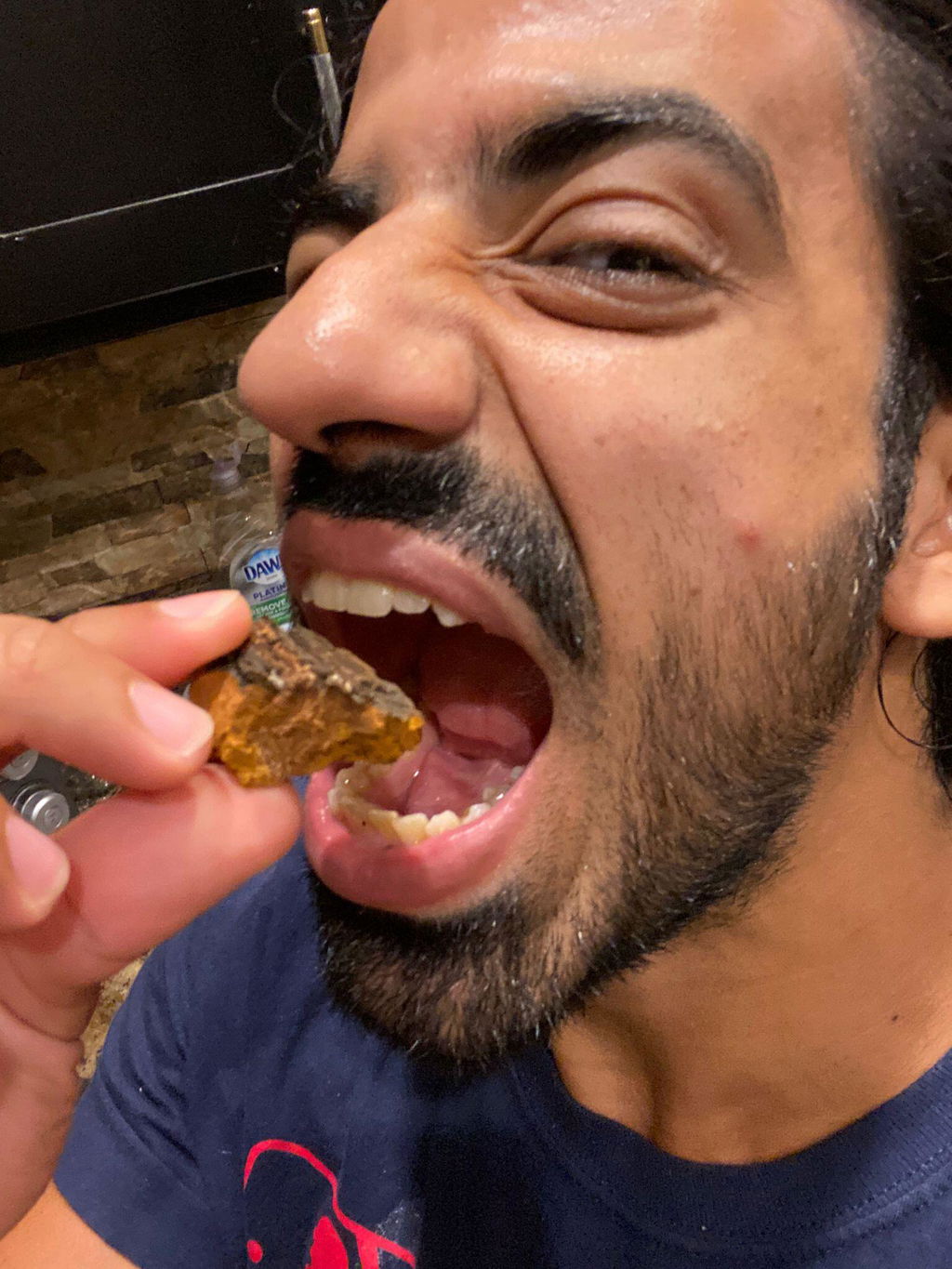
I always have my pot filled with water soak my chaga. I use it for everything. Making my coffee. Soups. Sautéing veggies. My Beloved puts it on his cereal. Oh. & I drink it as tea OfCourse xoxo ThankYou BlackMagic for providing these chunks. We cannot live without them now 🤎 Tracy&Andrew
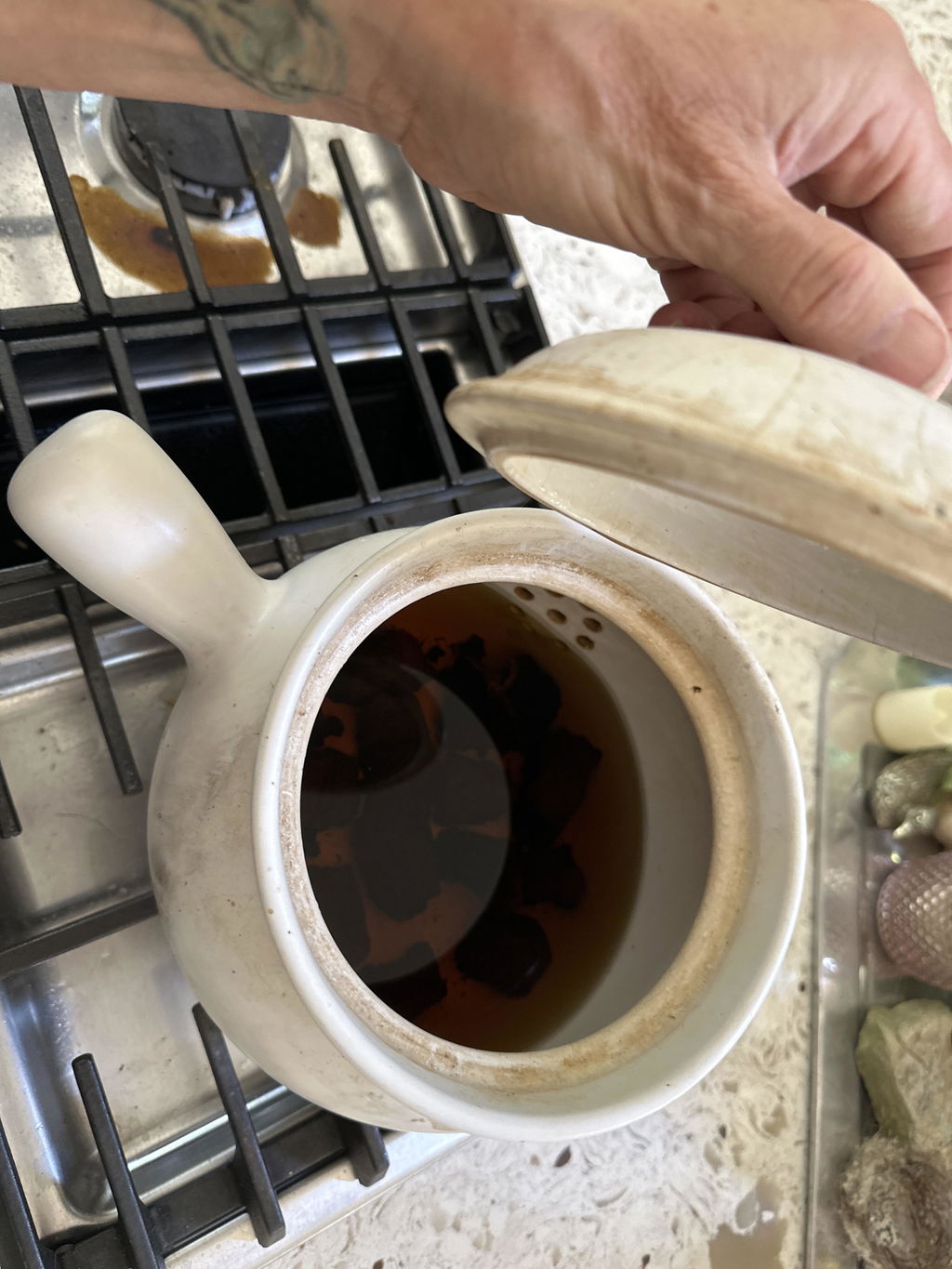
I like the taste and iced it's excellent
We're delighted to hear you are enjoying the taste of our Chaga Mushroom Tea iced. Thanks for sharing your experience.
I love it, high quality
Thanks Troy! Happy brewing to you.
Before Chaga I was having a sleepless night everyother night. Over the previous 10 months it was a sleepless night every 4 to 5 days or 52 nights in 227 days. I found Wild Chaga Elixir while researching melatonin. I learned the problem could have been a calcified pineal gland. I do have increased Uric Acid levels in blood samples from kidney problems. After taking it I had only 2 sleepless nights in 63 days. It was miraculous. Now I'm using the Wild Chaga Tea which cost less and has the same benefits along with some honey and lemon. I hope other people benefit from this.
I receive this tea once a month, and it has truly become a ritual I look forward to. The results have been incredible — my skin is radiant, my hair feels healthier and stronger, and the improvement in my focus and mental clarity has been both noticeable and deeply welcomed.
There is a clear intention and quality behind every sip. I cannot recommend Black Magic highly enough — every product I’ve tried has exceeded my expectations and feels like genuine nourishment for the body and mind.
Leaves skin glowing after 2 weeks of use. Eyes have a sheen to them. Overall I feel much better.
It tastes great and if I don't use it for a bit and then begin again I always get comments on how good my skin looks. It's also great because each piece can be used several times. I love it!
I love the tea! It's a great easy taste and it makes me feel great! Thank you!
I love this tea. Every morning I make a cup from the prepared tea in the fridge, and warm it to just below around 105 degrees, as I add raw ingredients which still have their enzymes. Grated fresh organic ginger and turmeric, freshly grated black peppercorns and cardamom (also organic), and a heaping spoonful of raw organic coconut milk powder. This is so delicious, rich, and nutrient-packed, and has me peaceful and clear of mind. No jitters or cravings for a second cup as when I used to drink coffee.
This is a really pleasant tasting and comforting tea even without added sweetner.
This is the only product I’ve ever tried in my 26 years that has actually delivered in terms of the described mental benefits - the clarity, focus and peace that comes from this product is crazy
I am in LOVE!!!...the taste IS AMAZING and I have it as ICE TEA!!!...and the BENEFITS CAN'T BE BEAT
Life-changing. Starting my day off with Chaga has been a positive and reduced my coffee consumption almost entirely. Helps with my energy, focus, and mental clarity. Plus my plants love it when I plant the chaga in the soil :-)
I thought the mushrooms were perfect and the first time I made the tea, I loved it. I made a mistake by leaving the mushrooms on the counter for a couple of days afterward. They were wet and exposed to air. Mold formed. I learned after the fact that I should have put them in the fridge/freezer to preserve them after each use. Oops!
The tea is wholesome, tasty and a blessing on a rainy, cold day.
Amazing flavor and effects
I've tried a few different chaga teas... This is by far the best, I will never shop for chaga anywhere else
I have been using Black Alchemy for a couple months now. I notice my skin looks amazing and smooth, I feel more confident and overall in tune with my body and it's sensations. The chaga tea is a great, smooth earthy taste that I love!
Love this tea. My mind always feels clearer as soon as I drink it.
This tea is so earthy yummy!!
Wild Harvested Canadian Chaga
Nuff Said.
So good! Great flavor, lasts a long time since it is reusable. I noticed more energy and have recently been getting clompiments on my skin! Amazing mushroom, wonderful product!
I like it!
So I just started using your Chaga wild harvested Tea, which I do enjoy drinking. A very strong flavor but mellow and drinkable alone, without sweetener. Besides a little more eager to get up in the am, I haven’t noticed a difference within myself but I have your subscription so I’m looking forward change. Thank you as well for the post card ‼️️‼️️‼️️ I thought that was just the sweetest thing. I look forward to this relationship with Black Magic
I have really enjoyed these mushrooms I had my first cup today and feel great
But I cant log into my account to delete the previous review I made which sucks
but great product very high quality (:
Great mixed with sparkling spring water. I did not expect sugar to be an ingredient (Ecuadorian volcano grown cane sugar, to be precise), but there cannot be very much, as it comes almost at the very end of the ingredients list. I'll most likely buy more when I run out.
Loved the tea, only been a week since I’ve received my order but off the top the pack was full of Chaga mushroom and the tea tastes delicious. Ever since I’ve started drinking the tea daily I’ve noticed my energy levels sustaining at a nice level Throughout the day, haven’t been feeling sluggish or tired like I’d normally would. Also the tea relaxes and is soothing. Definitely getting another batch as well as trying out the root beer Elixir. 👍👍
Ask the Alchemists
How much chaga do I use per pot?
A small handful — three or four nuggets per liter of spring water is the classic ratio, or half the bag for a big slow-cooker pot that pours all week. Too strong, use less next time; too light, add a nugget. The forest is forgiving.
Should I boil it?
No — chaga is ideally brewed low and slow, never at a rolling boil. Bring the pot to a gentle simmer and hold it there; the old way is patience over heat. An hour minimum, eight if you can wait, until the water runs dark amber — darker than strong black coffee is the mark of a proper brew.
Can I drink it iced?
Absolutely — chilled chaga over ice is the forest's answer to cold brew. Make a big pot, strain it into a mason jar, and it keeps in the fridge for up to two weeks. Sweeten with honey or maple syrup, or pour it with your favorite creamer; the earthy vanilla depth holds up to all of it.
How long does one bag last?
Longer than any tea you've owned. The bag holds a thirty-day supply on its own and every handful re-brews up to seven times before it's spent. Brewed daily, one bag runs a month and well beyond; the last pot costs you nothing but water.
Do you sustainably harvest your chaga?
It's the only way we harvest. Wild chaga takes twenty-plus years to reach its peak on a living birch, so we show respect to every mushroom. We forage by hand, only a portion from each and leave about 20% or more on the tree to keep growing. Sustainability isn't some policy for us; it's a way of life and our core philosophy when foraging anything from the forest.
Goes well with
-
 Wild Harvested Chaga Mushroom Rootbeer ElixirWild Harvested Chaga Mushroom Rootbeer Elixir
- Regular price
-
$33.00 $99.00 - Regular price
-
- Sale price
-
$33.00 $99.00
Quick view
-
 Sustainably Wild Harvested Chaga Mushroom TeaSustainably Wild Harvested Chaga Mushroom Tea
- Regular price
-
$30.00 - Regular price
-
- Sale price
-
$30.00
Quick view
-
 The Shroomy Temple | Wild Reishi Mushroom TinctureThe Shroomy Temple | Wild Reishi Mushroom Tincture
- Regular price
-
$68.00 - Regular price
-
- Sale price
-
$68.00
Quick view
-
 Cosmic Creamer: Lion's Mane Mushroom - Madagascar VanillaCosmic Creamer: Lion's Mane Mushroom - Madagascar Vanilla
- Regular price
-
$36.00 $104.00 - Regular price
-
- Sale price
-
$36.00 $104.00
Quick view