

Lion's Mane Mushroom Powder | 100% Certified Organic, Tree-Grown, Fruiting Body Extract
Deep Focus · Mega Memory · Flow States
- Regular price
-
$44.00 - Regular price
-
- Sale price
-
$44.00
This is the mushroom for your best thinking. Lion's mane carries hericenones and erinacines — rare compounds found almost nowhere else in nature, and among the most studied in the fungal kingdom for one reason: the mind.
The monks of ancient China served it in monastery to unlock meditative focus for hours. Stir it into the morning coffee and feel the brain fog float away. One serving of ours is 1,500 mg of pure tree-grown fruiting body, a serious dose by any standard, hot-water extracted for full potency. Stir it into the morning coffee. This is mana for your mind.
Couldn't load pickup availability
-
Small batch · only 8 remain
How to Use
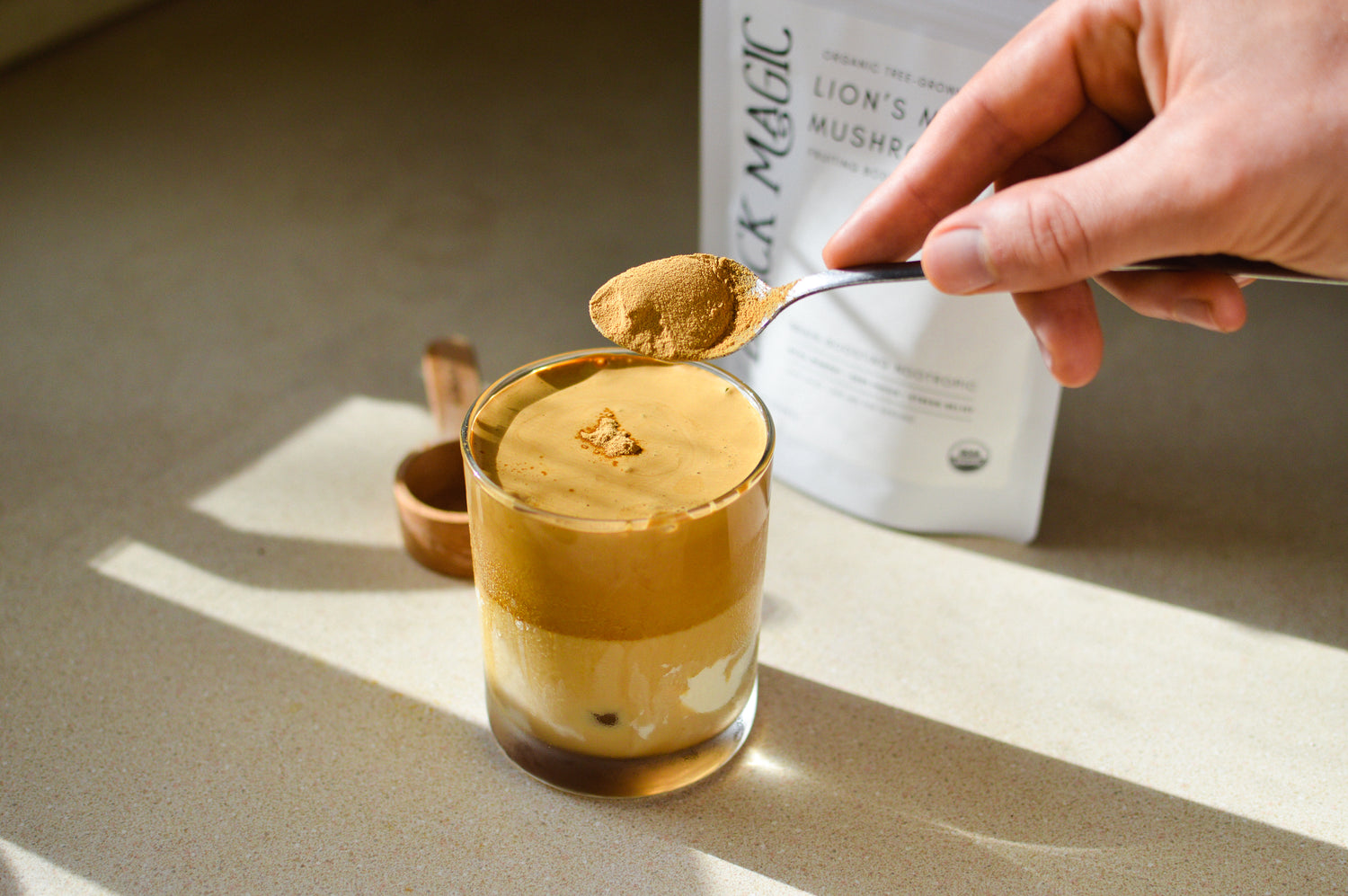
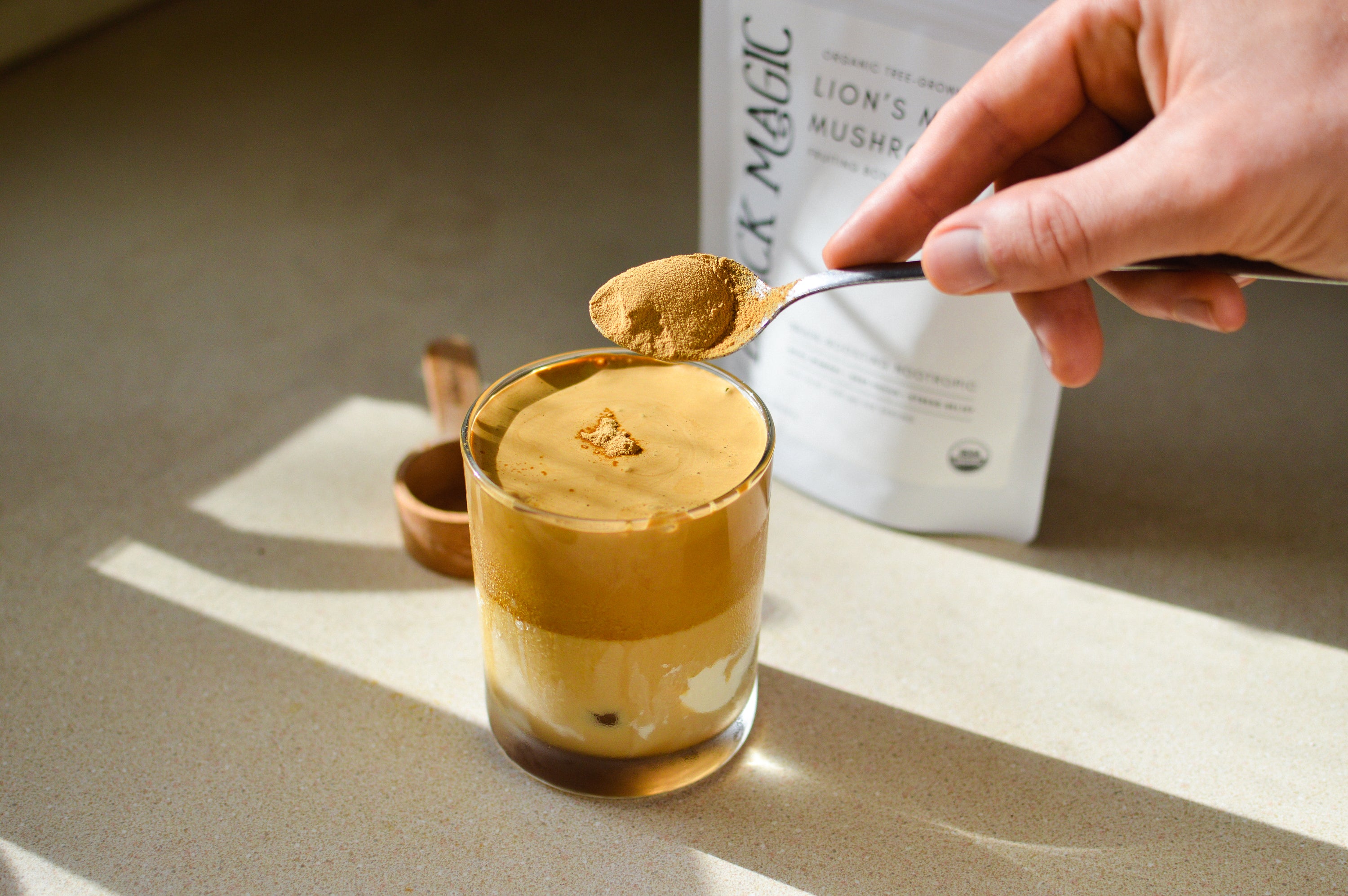
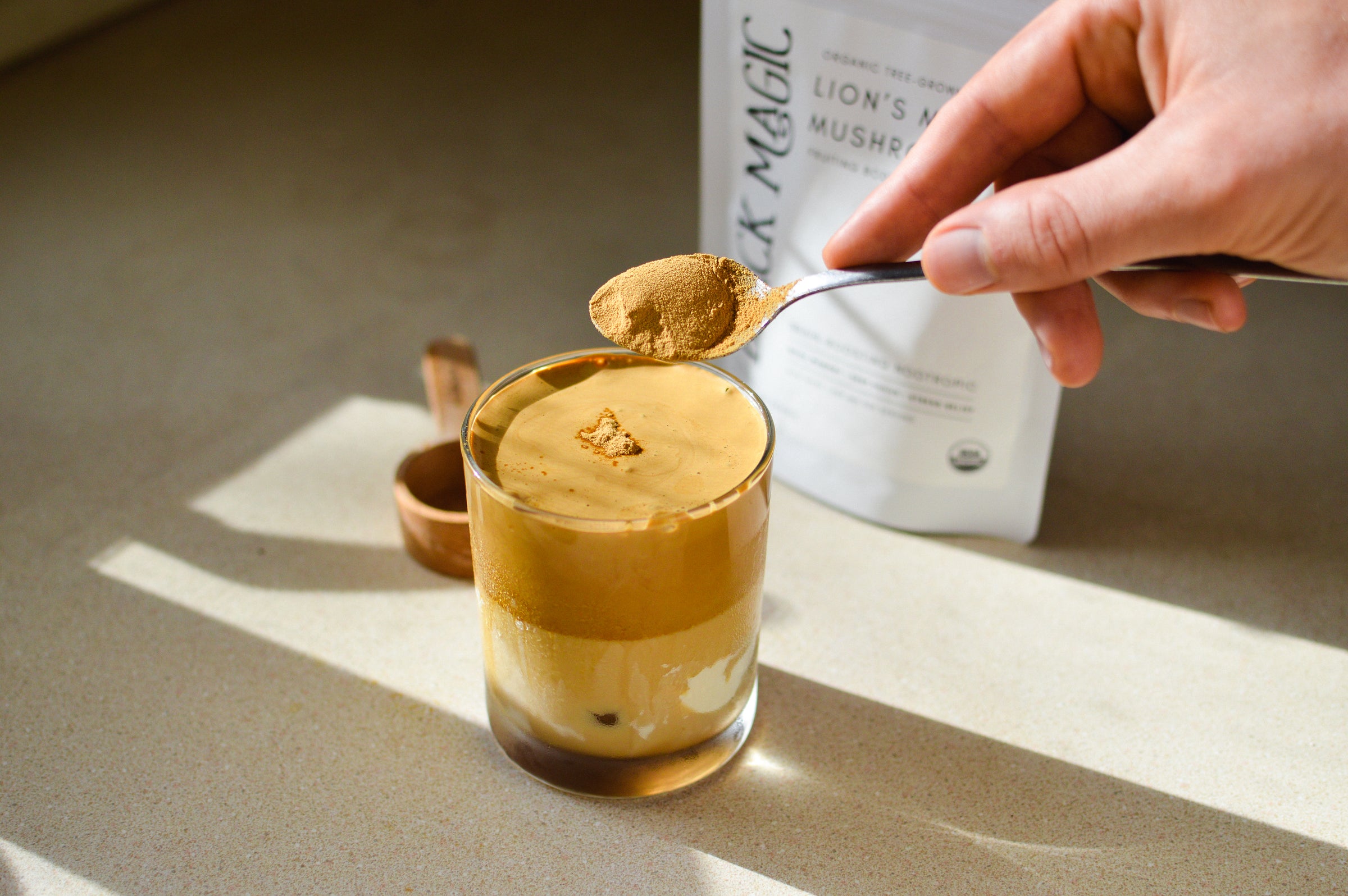
One-third of a teaspoon — 1,500 mg — into coffee, tea, matcha, or smoothies. Or sprinkle into soups, eggs, and meals; gentle heat is no enemy. Daily is the way.
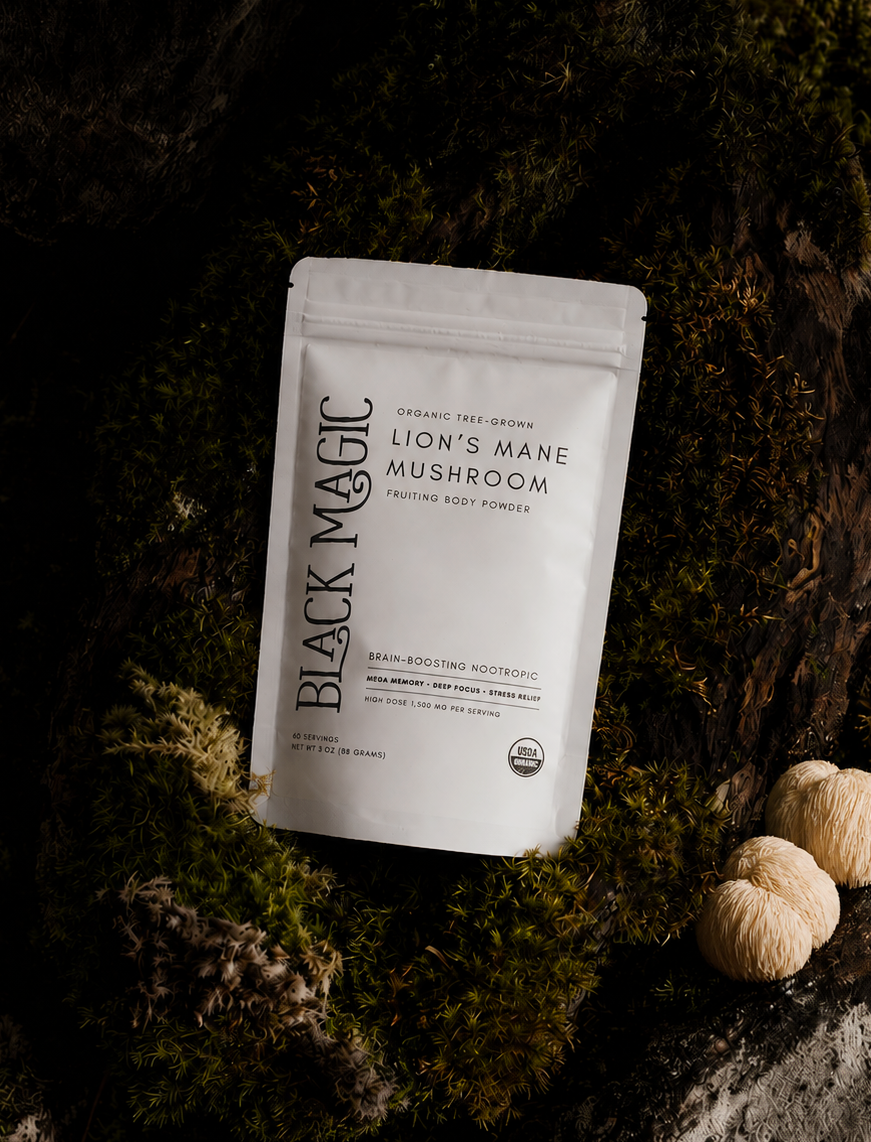
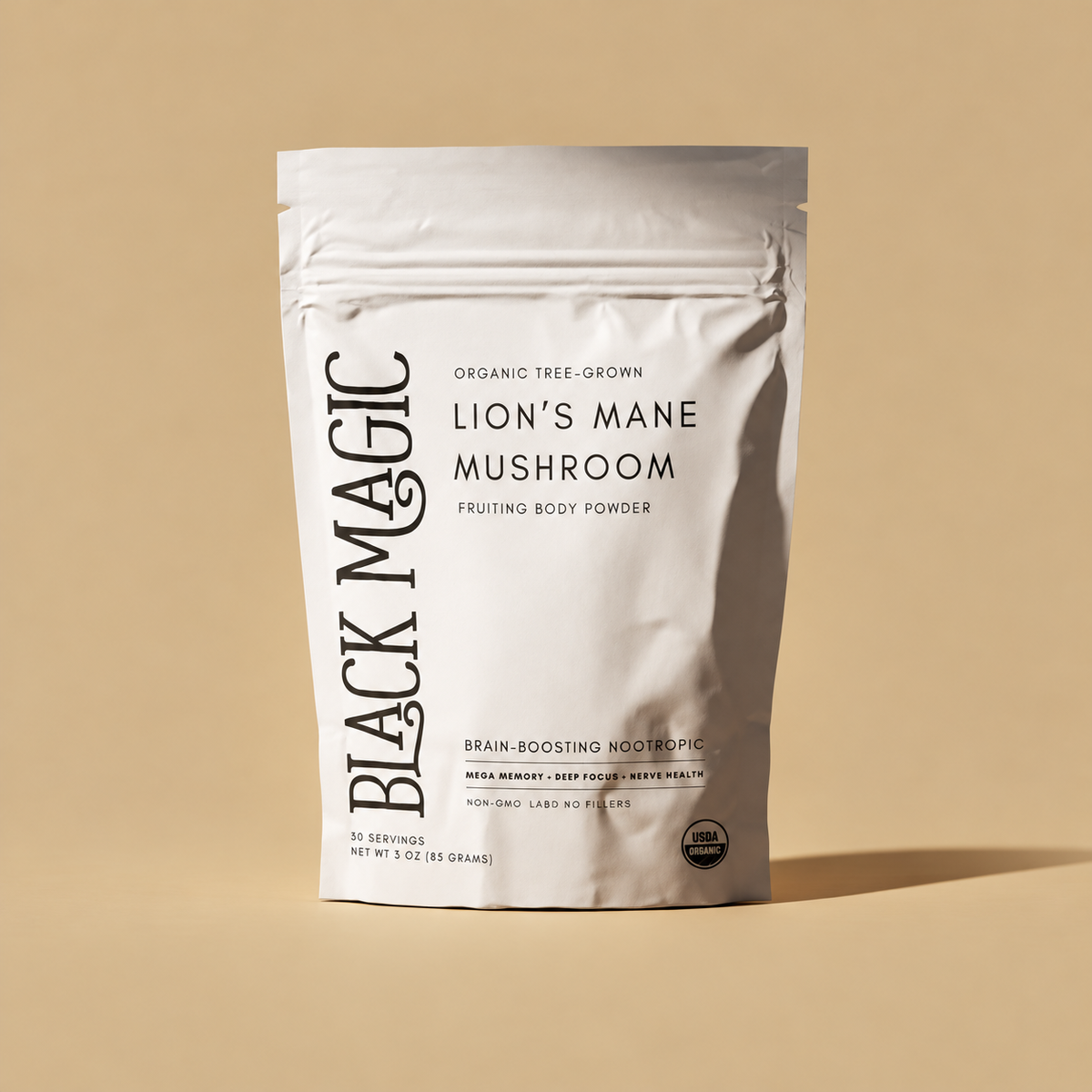
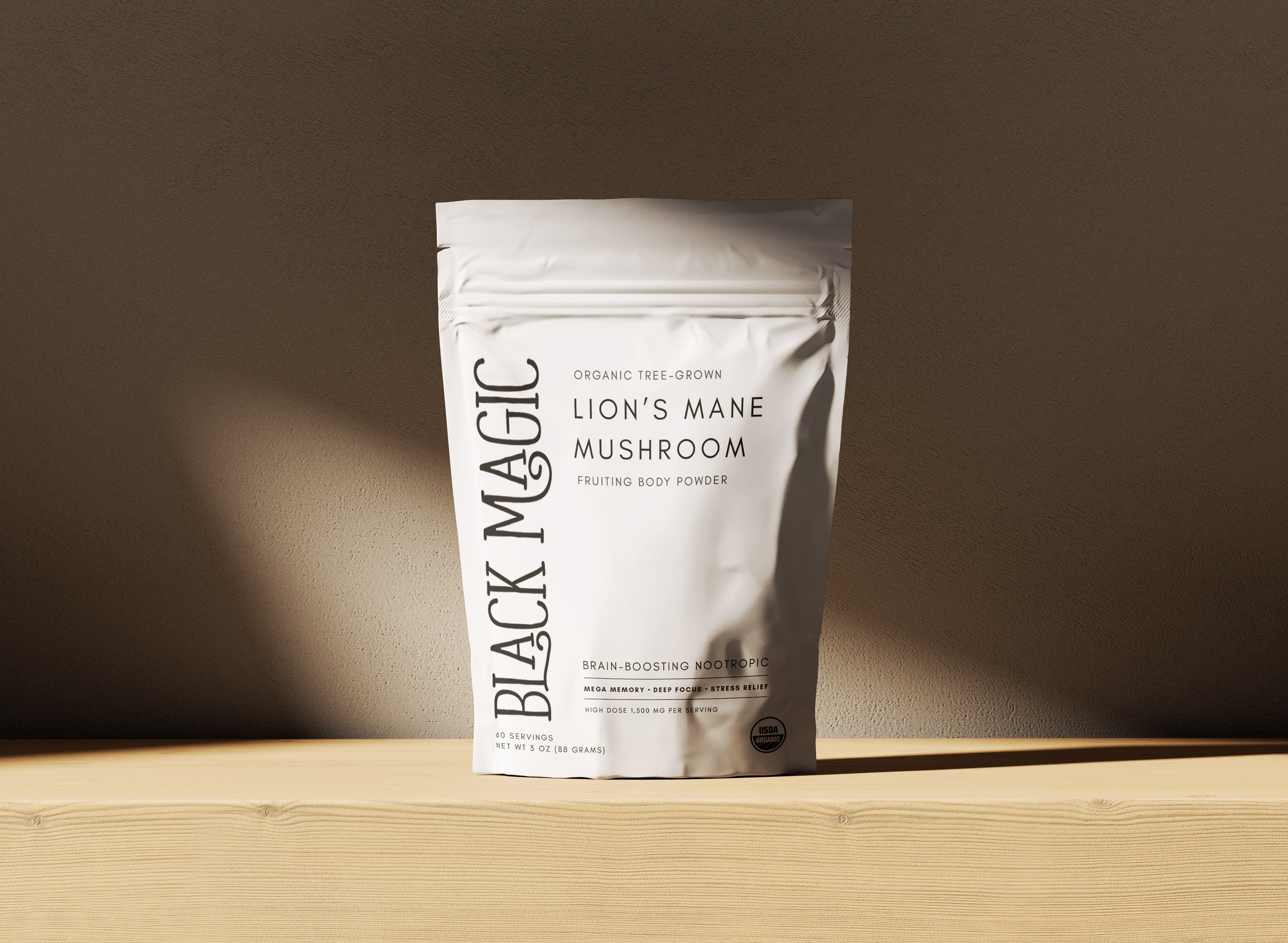
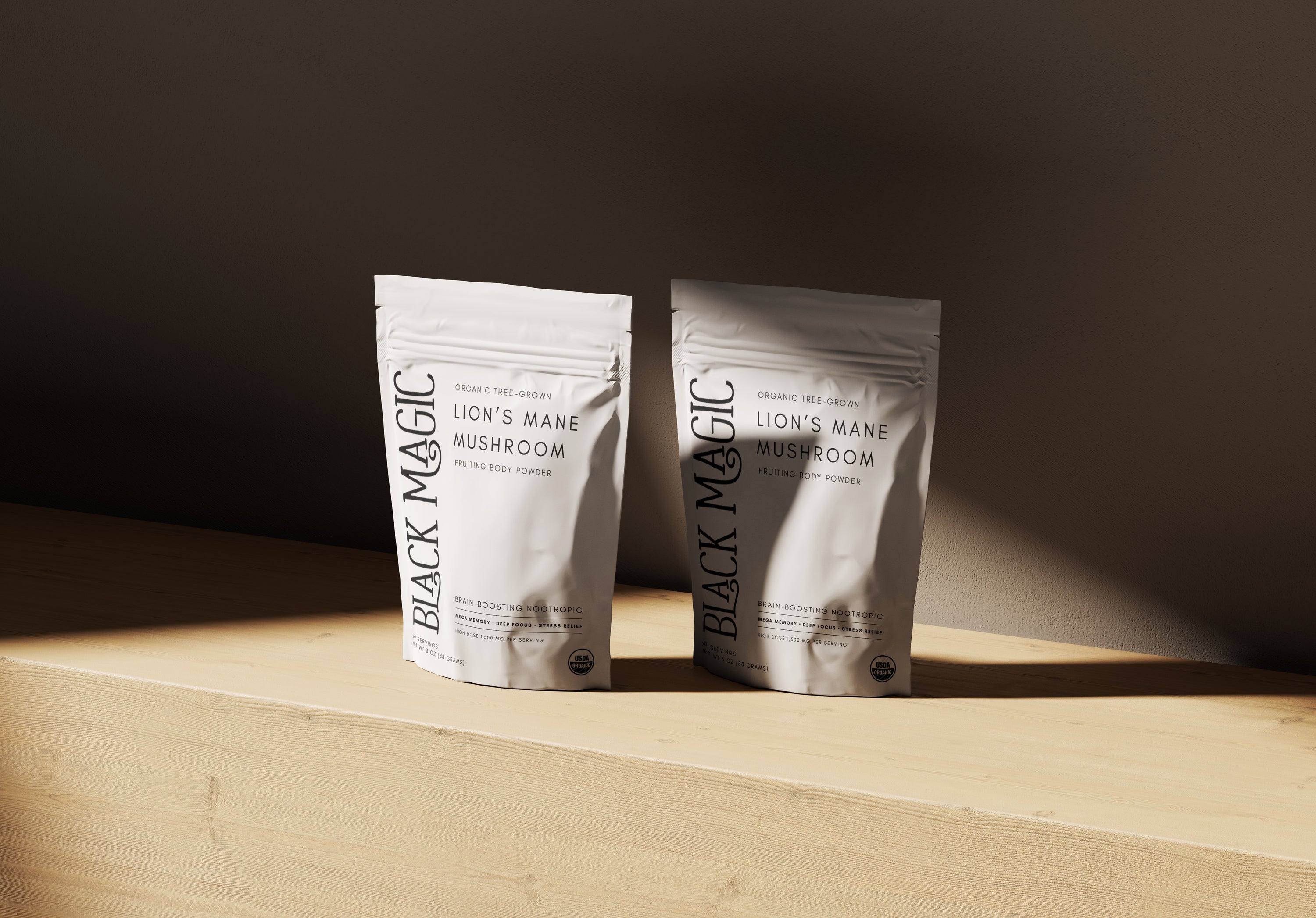
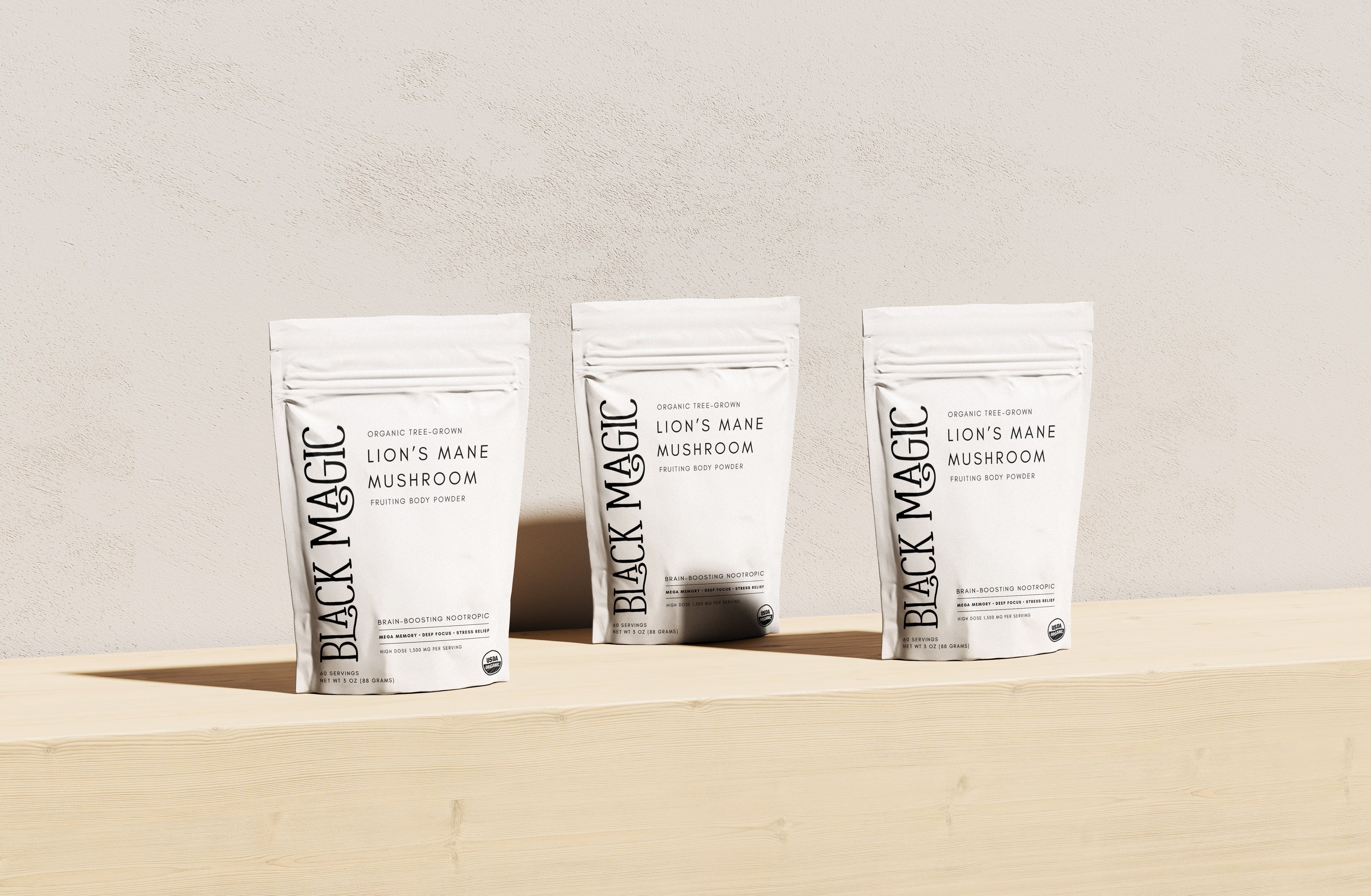
88 g per bag · 60 servings · Two months of daily practice
Ingredients
100% Organic Lion's Mane Mushroom Fruiting Body (Hericium erinaceus) grown on logs as nature intended and hot water extracted. Nothing else — no mycelium, no grain filler.
Certified Organic and Non-GMO
High Dose 1,500 mg of lion's mane per serving
Tree grown + fruiting body + hot water extract

One Mushroom · Three Gifts
-

Deep Focus
The signature gift. Lion's mane is the mushroom of the long attention span — the one the monks of old China served before study, and the one modern deep-workers reach for before the day's hardest block. Hericenones and erinacines, compounds nearly unique to this mushroom, are the reason it draws more scientific attention for the mind than any fungus on earth. One serving in the morning coffee, and the to-do list meets a different you. No caffeine in it, no crash after it
-

Mega Memory
The old physicians prescribed hou tou gu for scholars — for study, for recall, for the scattered spirit — and the classical texts kept it in the pharmacopoeia for a thousand years on the strength of that reputation. Memory is where lion's mane research runs deepest today, and it's the benefit our longest-standing customers name most. Names, threads, the thing you walked into the room for: sharp recall is a practice, and this is its daily companion.
-

Flow States
There is no better feeling than losing the clock. Flow is what happens when focus stops being effort — when the ideas connect on their own and the work starts pouring instead of dripping. This is the flow state's favorite mushroom: writers, coders, and painters take it for the generative hours, the electric stretch where creativity runs downhill. Clear head in, momentum out. Take it before the work that matters and let the morning disappear.


A kaleidoscope of brain power
Mana for your Mind
The morning coffee was always a ritual, now this makes it a practice. One-third of a teaspoon into whatever you already brew: coffee, matcha, cacao, a smoothie.
It dissolves clean, tastes of almost nothing, and turns the cup you were having anyway into 1,500 milligrams of tree-grown lion's mane.
No new habit to build, no capsules to remember, no crash waiting at eleven o'clock. The monks of ancient China took theirs with the morning bell, you can take yours with the kettle. Sixty servings — two full months of clear mornings in every bag.
Nature's secret language
Seek and You Shall Find...
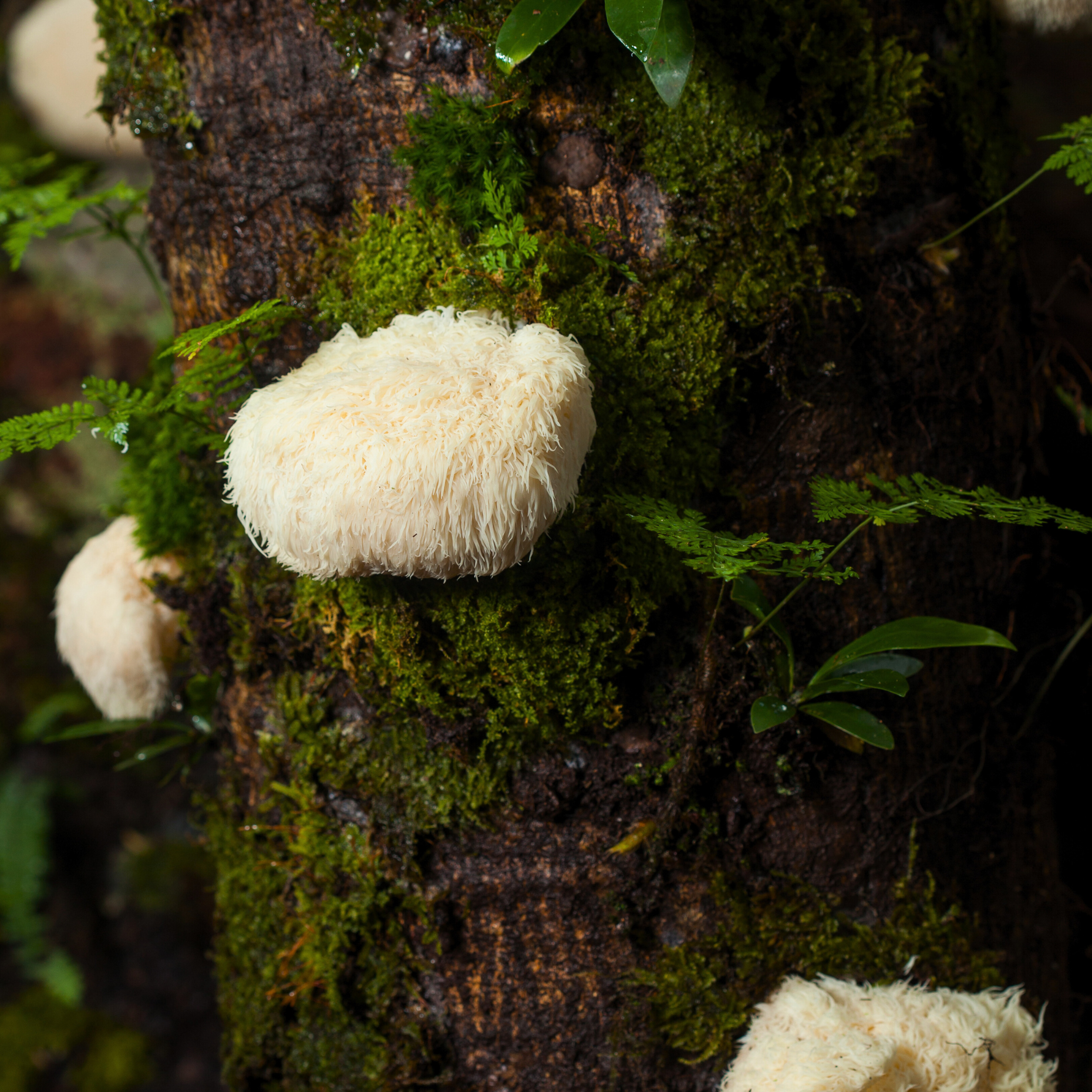
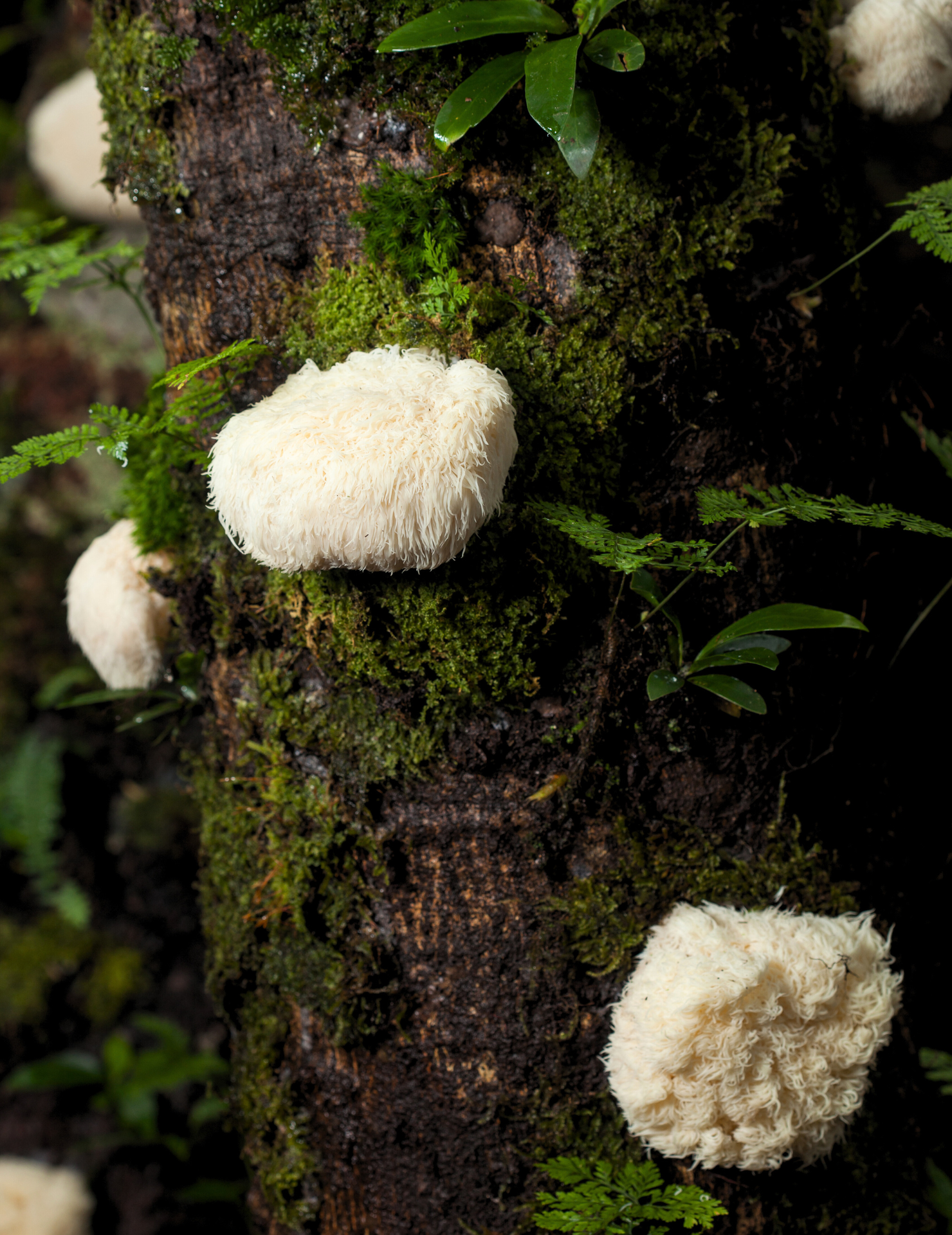
An ode to the doctrine of signatures — the belief that nature marks its medicines with a sign of their purpose. Lion's mane fruits from old and dying hardwoods in a cascade of soft white orbs, and the ancients read the resemblance plainly: a mushroom in the image of the mind's white matter is meant for the mind.
The classical physicians of China and Japan took it exactly that way, prescribing hou tou gu for the head — for study, for memory, for the scattered spirit.
Then modern researchers went looking and found what makes it singular: hericenones and erinacines, compounds nearly unique to lion's mane, and the reason no mushroom on earth gets more scientific attention for the mind.
The language of nature as it turns out, was pointing at something profound.
Lion's Mane Can Help With:
- Deep Focus & Concentration
- Memory & Mental Clarity
- Mental Stamina — No Caffeine, No Crash
- Creativity & Flow
- A Bright, Steady Mood
- Gut & Daily Immune Support
Ask the Alchemists
When should I take lion's mane — and can I put it in coffee?
Morning, and yes — coffee is the classic vehicle. Lion's mane and caffeine are old friends: the mushroom brings the focus, the coffee brings the spark, and the pairing smooths the edges of the caffeine without dulling it. One-third of a teaspoon into the cup you're already brewing. No coffee? Matcha, cacao, a smoothie, or warm water with honey all carry it just as well. It's the morning's mushroom the way reishi is the evening's.
How long until I notice something?
Focus tends to show up first — many people notice cleaner, longer attention within the first days. Memory is the slow build: the traditional way was daily servings across weeks and months, not one heroic scoop, and the research follows the same shape. Give it thirty days of daily practice before you judge it. One bag holds sixty servings — two full months — so the trial is built in.
What's the difference between fruiting body and mycelium?
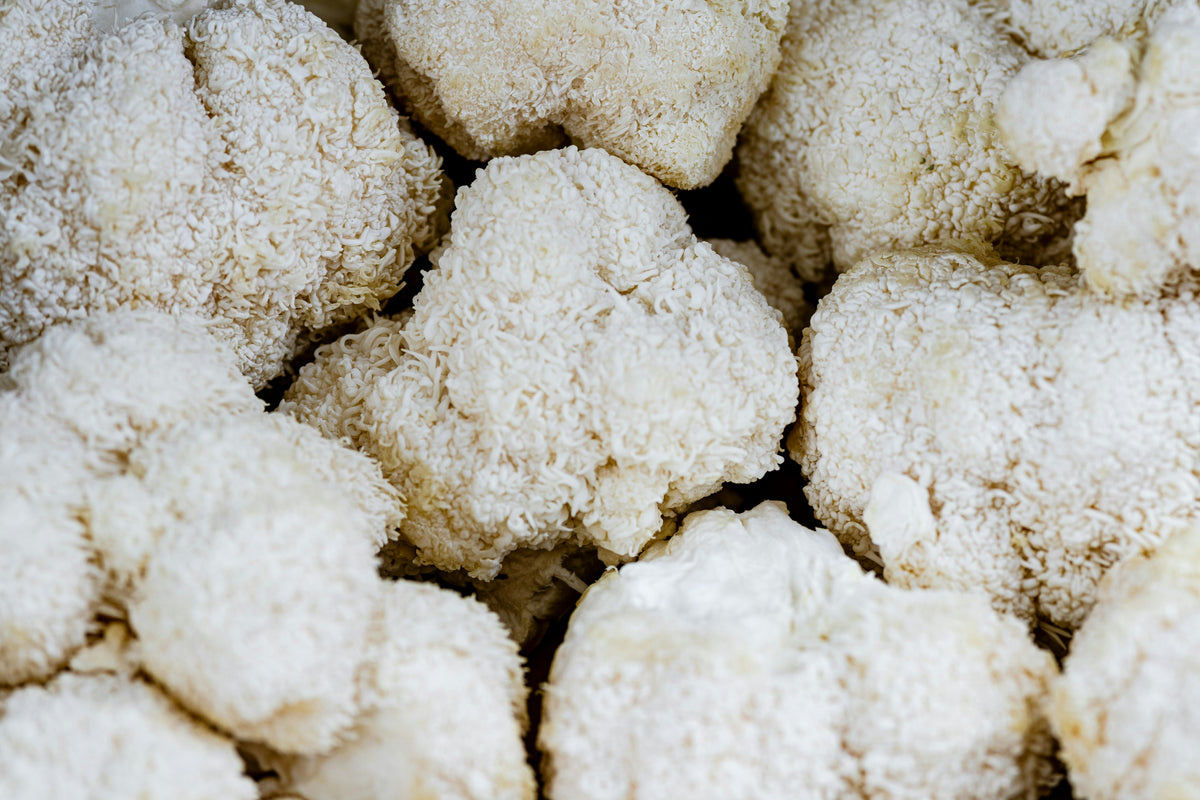
Everything, and it's the first question to ask of any mushroom product. The fruiting body is the mushroom itself — the white cascade you see growing from the tree. Mycelium is the root-like network beneath, and commercial "mycelium on grain" products are mostly the grain the fungus was fed — powdered rice or oats wearing a mushroom label. Ours is 100% organic fruiting body, tree-grown and hot-water extracted, with the compounds the classical physicians and the modern researchers actually studied. Read every label you meet; most of the industry hopes you won't.
What does it taste like?
Almost nothing — a faint, savory whisper that vanishes into anything with flavor of its own. In coffee it disappears entirely. This is worth saying because wild-harvested mushroom products often taste like the forest floor; lion's mane is the polite one of the family. If you can taste your cinnamon, you will not taste this.
Is it safe to take every day?
Daily is the tradition, not the exception. The old monastery kitchens served hou tou gu as food — it's a culinary mushroom first, a tonic second — and the classical texts treated it as something for the long haul. Sixty servings per bag is built for exactly that rhythm. As with any new herb: if you're pregnant, nursing, or on medication, run it past your practitioner first — the old herbalists would tell you the same.
Goes well with
-
 Wild Harvested Chaga Mushroom Rootbeer ElixirWild Harvested Chaga Mushroom Rootbeer Elixir
- Regular price
-
$33.00 $99.00 - Regular price
-
- Sale price
-
$33.00 $99.00
Quick view
-
 Sustainably Wild Harvested Chaga Mushroom TeaSustainably Wild Harvested Chaga Mushroom Tea
- Regular price
-
$30.00 - Regular price
-
- Sale price
-
$30.00
Quick view
-
 The Shroomy Temple | Wild Reishi Mushroom TinctureThe Shroomy Temple | Wild Reishi Mushroom Tincture
- Regular price
-
$68.00 - Regular price
-
- Sale price
-
$68.00
Quick view
-
 Cosmic Creamer: Lion's Mane Mushroom - Madagascar VanillaCosmic Creamer: Lion's Mane Mushroom - Madagascar Vanilla
- Regular price
-
$36.00 $104.00 - Regular price
-
- Sale price
-
$36.00 $104.00
Quick view